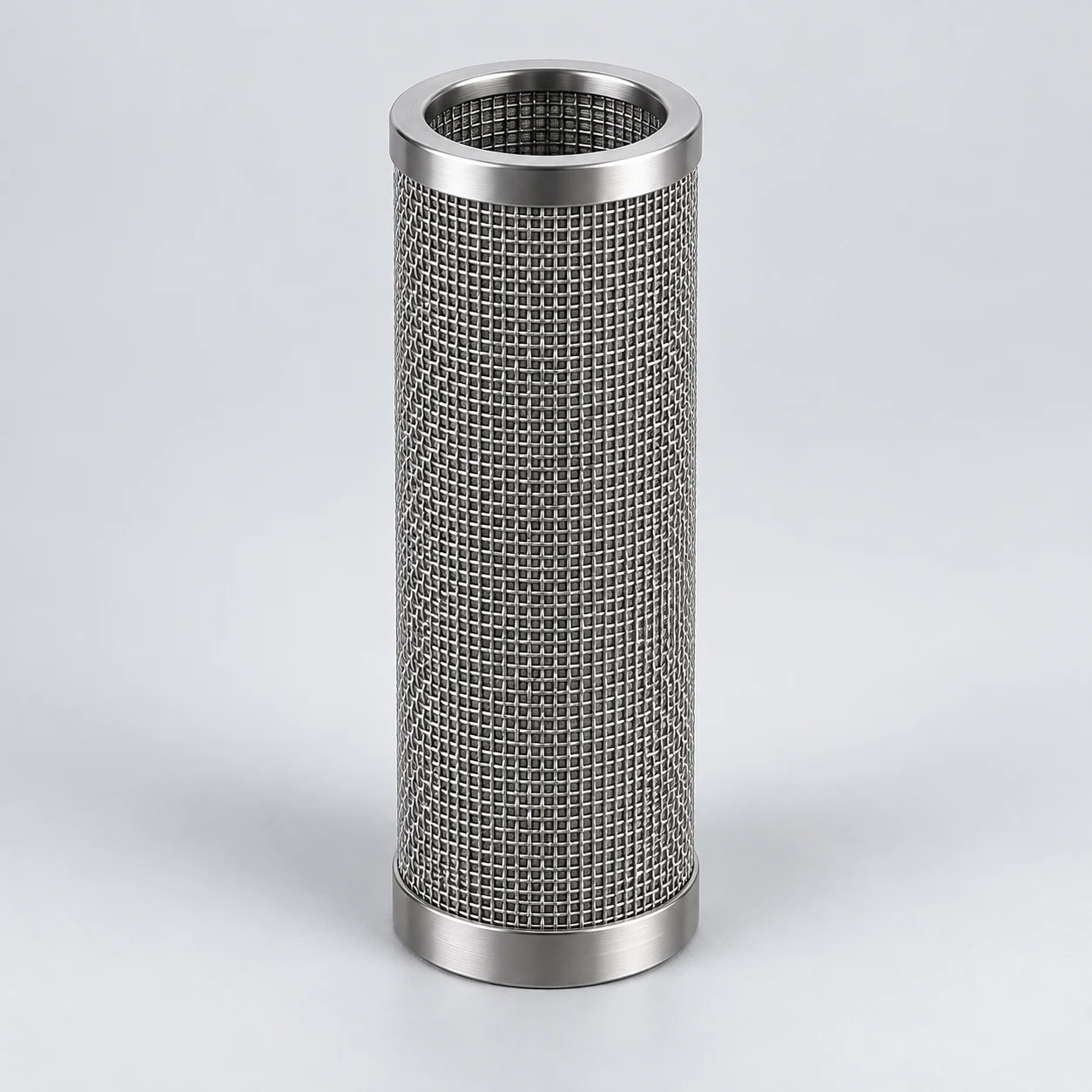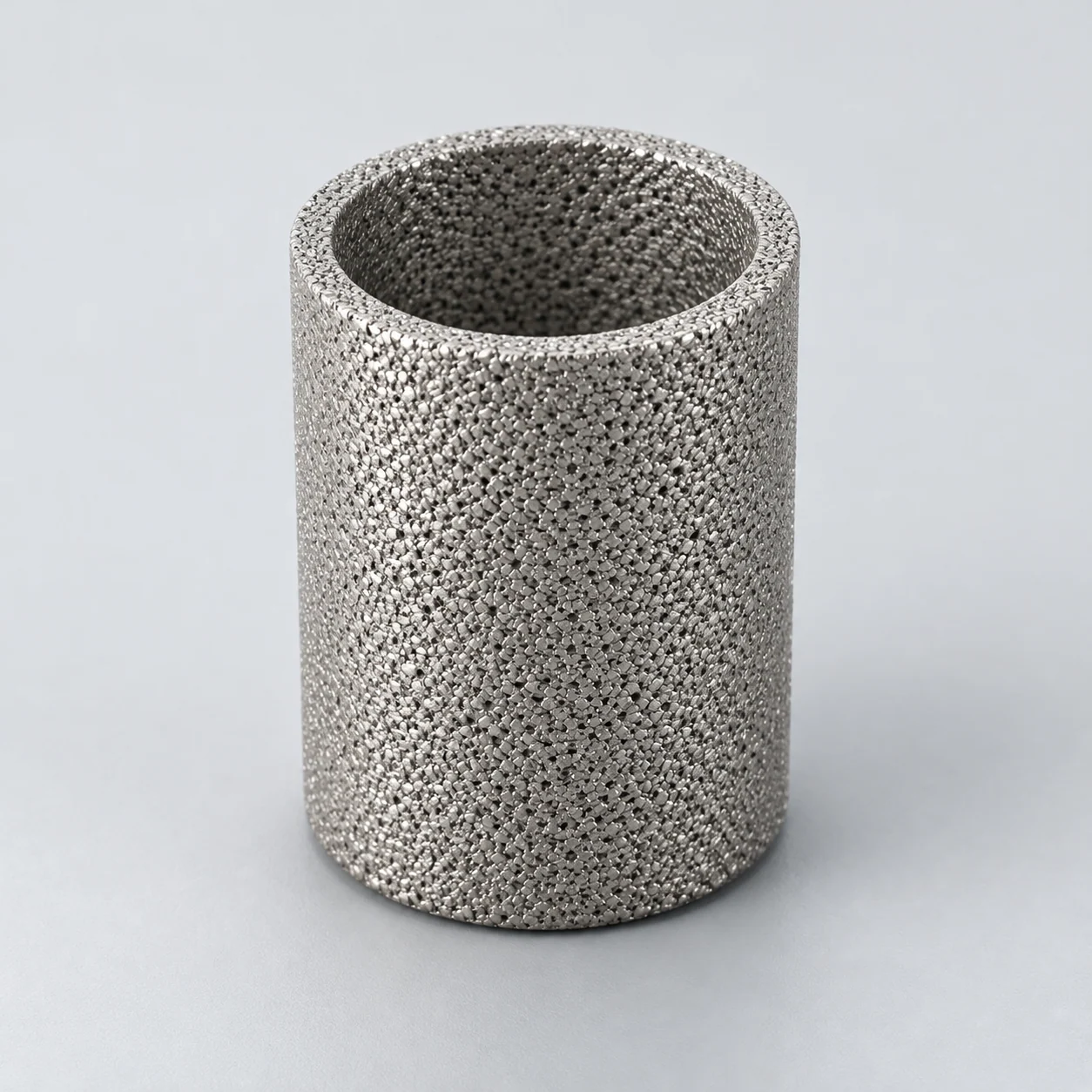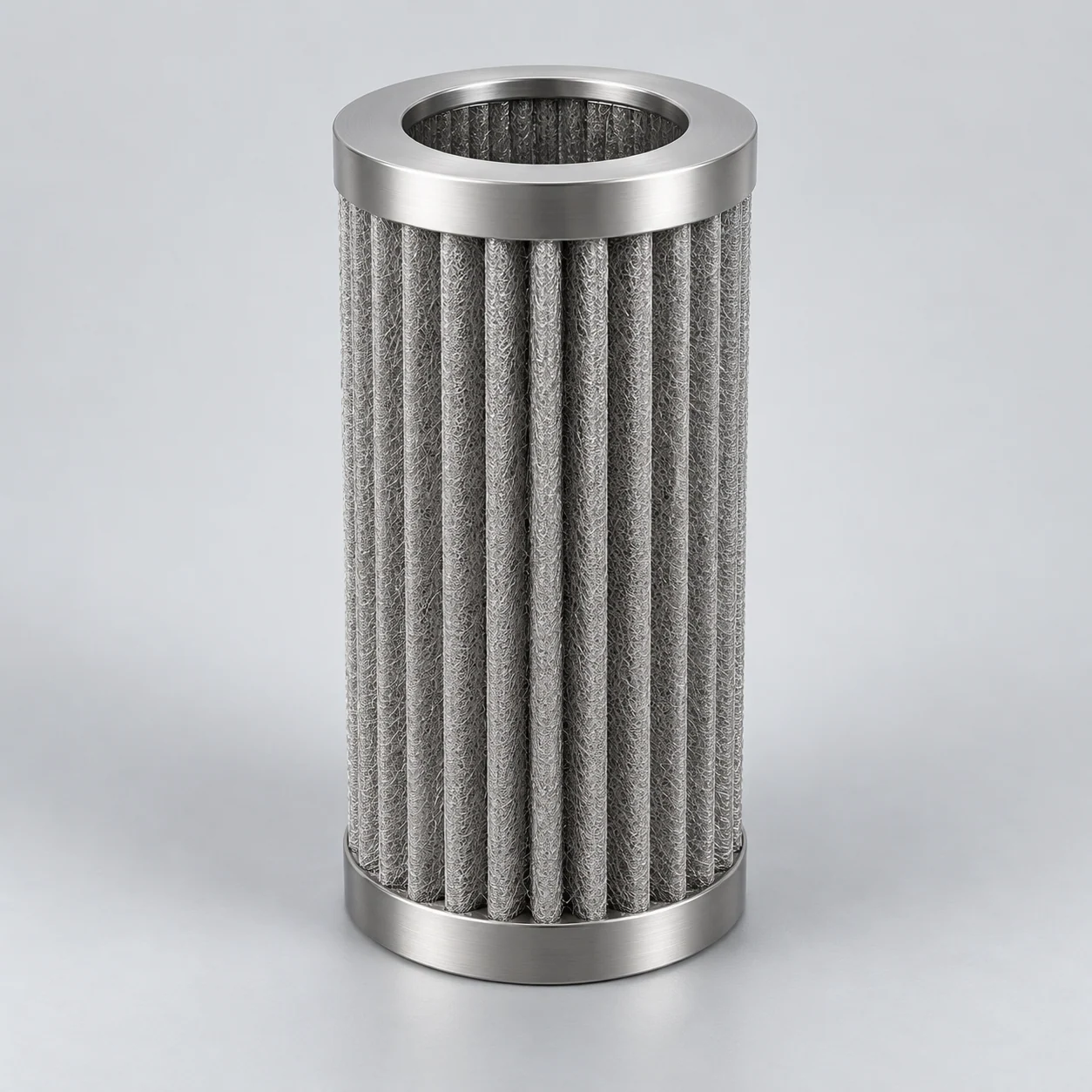
General engineering guidance for technical review. Examples explain the method and do not establish specifications for a supplied product.
A micron rating needs a definition
“10 µm filter” leaves the buying question open. Does it describe particle removal, a pore-related measurement or a media grade designation? Ask for the definition before comparing it with another offer.
The words nominal and absolute do not provide one universal efficiency threshold across all products and test systems. Preserve the stated definition. A claim becomes comparable when particle size, efficiency, method and conditions are stated together.
Incomplete claim versus a usable requirement
The completed statement below is a fictional procurement example, not a result for a YUNSHENG element. Values define what a hypothetical purchaser wants to verify; they do not show that any product has passed.
On a small screen, scroll the table sideways to see every column.
| Field | Incomplete wording | A testable requirement would add |
|---|---|---|
| Removal target | 10 µm filter. | At least 99% count-based removal of particles ≥10 µm in the agreed challenge test. |
| Method | Absolute. | Named method and revision, single- or multi-pass procedure, challenge particles and counting calibration. |
| Conditions | Suitable for water. | Agreed test fluid and temperature, flow, challenge concentration and loading endpoint. |
| Test object | Same material. | Identified assembly or media sample, dimensions and explanation of relevance to the proposed element. |
| Evidence | Tested. | Traceable report, sampling basis, result interval and agreed acceptance criteria. |
See what the same micron threshold can hide
For a count-based example, use upstream and downstream particle concentrations at the same threshold x and on the same volume basis. The count ratio is βx = Cup/Cdown; removal efficiency is Ex = (1 − Cdown/Cup) × 100%. This is arithmetic applied to comparable measurements, not a complete test procedure.
Assume both hypothetical tests count particles ≥10 µm. The upstream concentration is 10,000 particles/mL in each case. Results are invented solely to demonstrate the calculation.
On a small screen, scroll the table sideways to see every column.
| Hypothetical result | Upstream | Downstream | Count ratio | Removal efficiency |
|---|---|---|---|---|
| A | 10,000 particles/mL | 100 particles/mL | 100 | 99% |
| B | 10,000 particles/mL | 1,000 particles/mL | 10 | 90% |
Same threshold, different result
Both examples mention 10 µm, but they have different removal efficiencies. Neither count set establishes an ISO rating, service life or performance for our products.
Keep retention, pore measurements and flow separate
Retention testing assesses particle removal under stated conditions. Bubble testing characterizes a pore-related property and can support quality control; ISO 4003 does not make it a direct definition of filtration grade. ISO 4022 concerns fluid permeability of interconnected porous sintered metals. These measurements answer different questions.
On a small screen, scroll the table sideways to see every column.
| Question | Relevant evidence | Insufficient on its own |
|---|---|---|
| Will it remove the target particles? | Retention data with size, efficiency and test conditions. | Bubble-point value or alloy name. |
| Is a pore-related quality criterion met? | Specified integrity or bubble-test method and acceptance basis. | A nominal micron rating. |
| What loss occurs at the application flow? | Flow/pressure-drop data with fluid, temperature and geometry. | A retention percentage. |
Sintered filter micron rating: define the acceptance basis
Define particle quality and hydraulic acceptance separately. Record where quality is measured, which contaminants matter and the allowed downstream result. Then record allowable clean pressure loss at the application conditions. Neither item determines the mechanical differential-pressure limit.
For quotations with different tests, request a justified comparison or a common evaluation. Retain the accepted wording, report and drawing revision with the order. A particle-removal statement does not establish microbial retention or suitability for a sterile process.
- Ask whether the report covers a new or loaded element and what part of the test the reported result represents.
- Record the counting threshold and calibration; do not add a calibrated-size suffix without evidence.
- A downstream zero count must be interpreted with sample volume and detection limits; it is not proof of unlimited retention.