General engineering guidance for technical review. Examples explain the method and do not establish specifications for a supplied product.
Choose a structure for the task
Start with what must change in your process: protect a nozzle from particles, recover solids or reduce the frequency of element replacement. A material family can suggest candidates; the buying decision belongs to a complete element with an agreed installation and acceptance basis.
Use the matrix below to open a technical discussion. The suggested situations are screening questions, not confirmed YUNSHENG supply capabilities. Alloy, geometry, retention, pressure limits and cleaning recovery remain specific to the proposed assembly.
Mesh, powder and fiber: a practical comparison
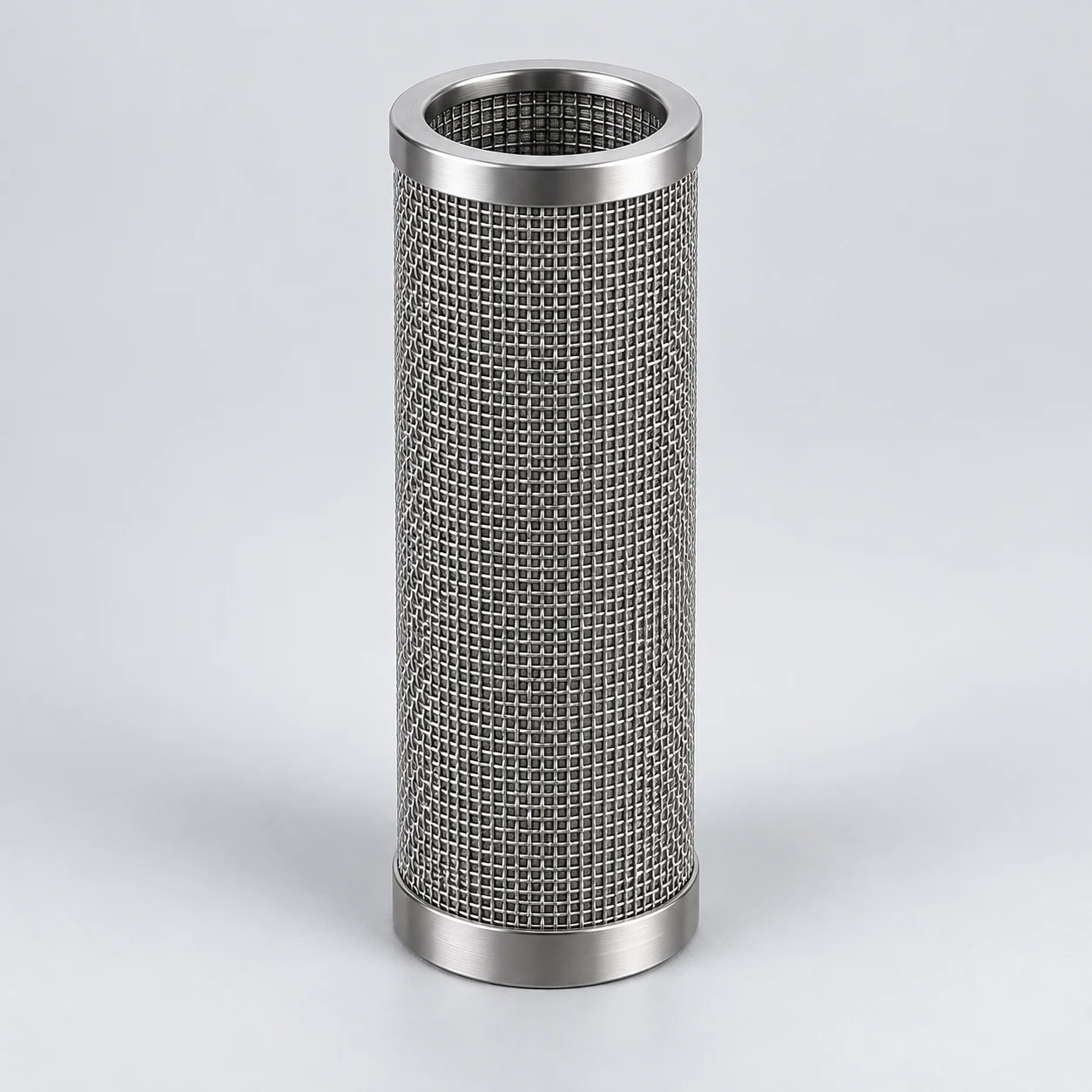
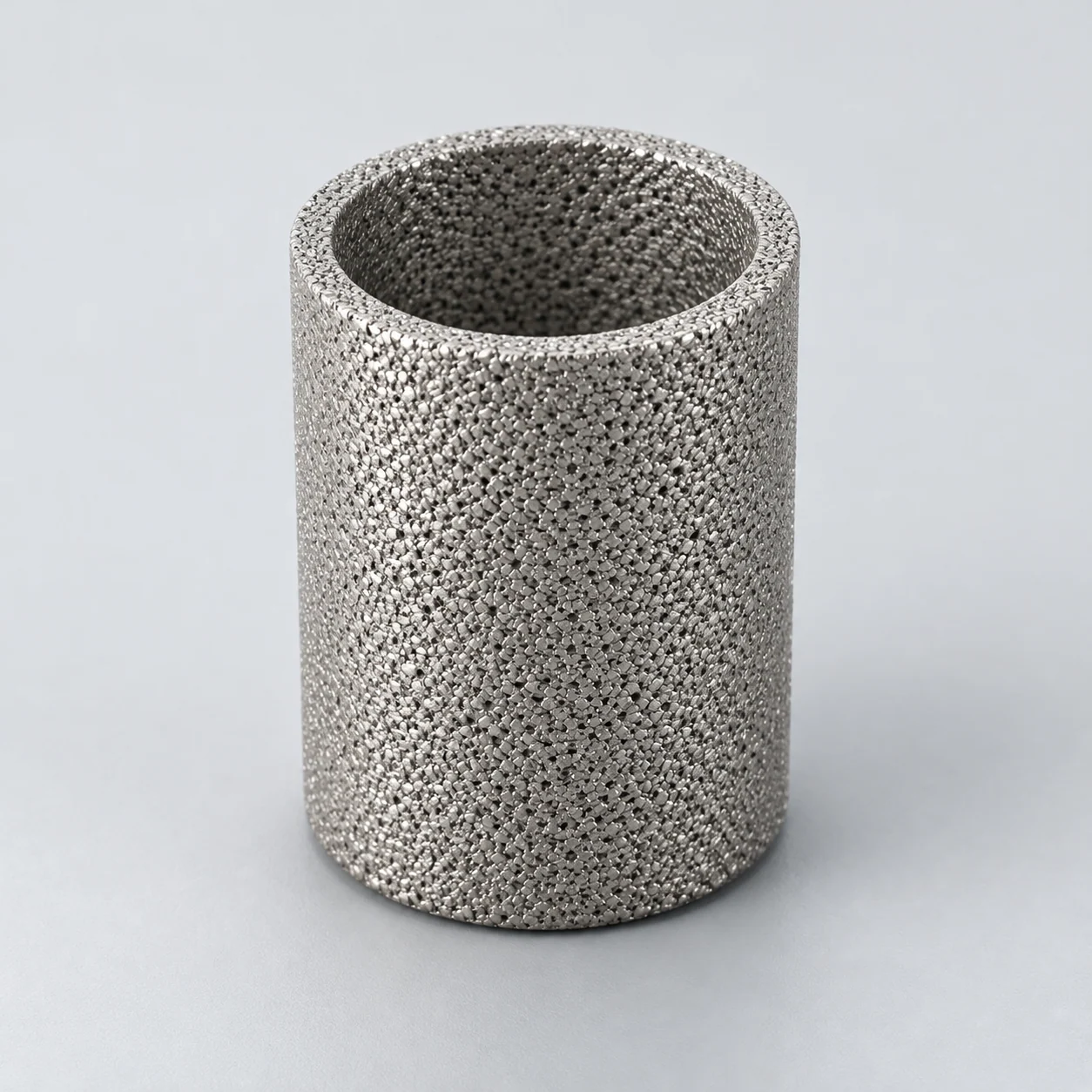
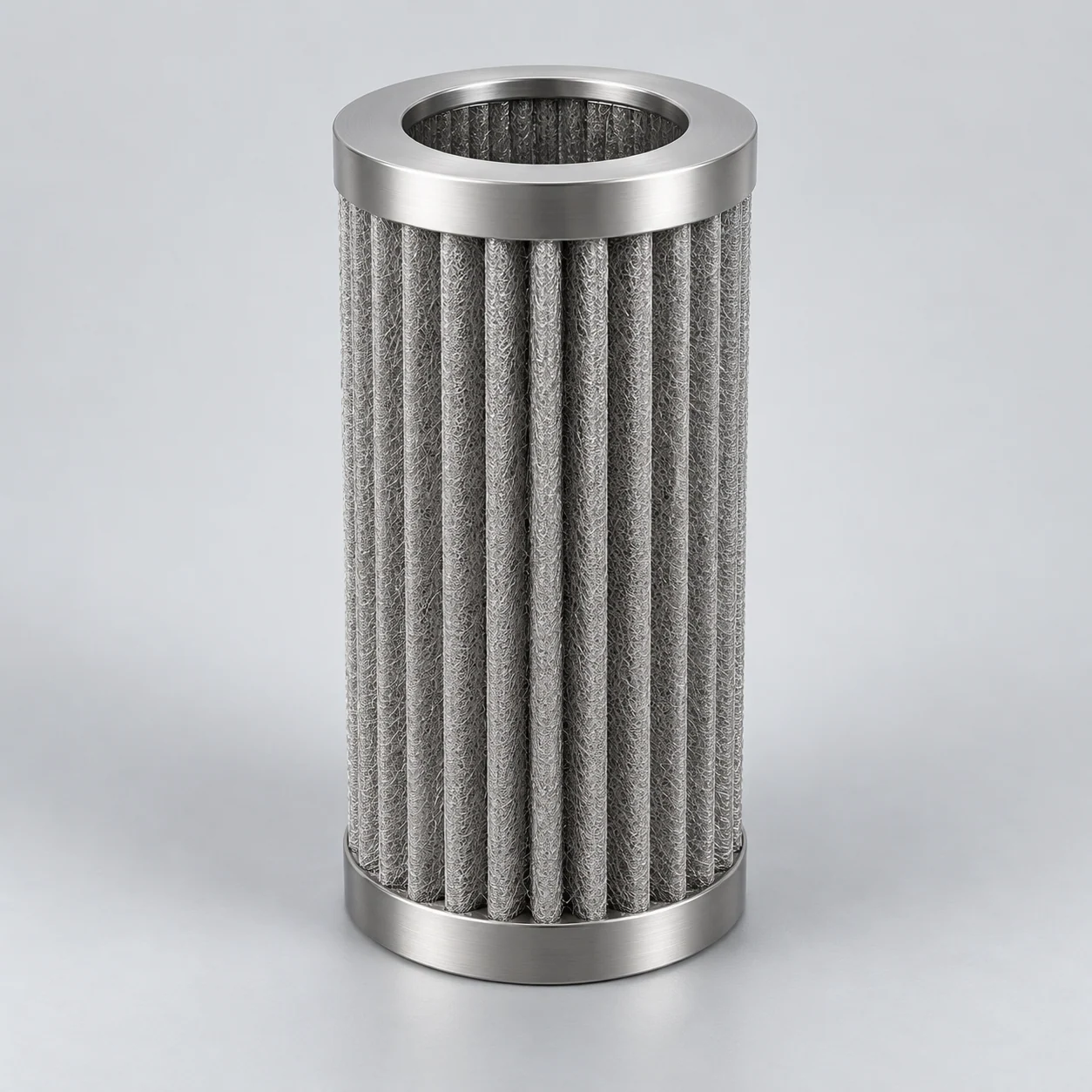
The three families describe how a porous structure is made. Woven mesh uses wire openings and may combine filtering and support layers; powder forms a bonded particle body; fiber forms a bonded network of metal fibers. Surface capture and capture within the structure can coexist, so a family name alone does not determine how contamination will accumulate.
On a small screen, scroll the table sideways to see every column.
| Decision point | Sintered wire mesh | Sintered metal powder | Sintered metal fiber |
|---|---|---|---|
| Structure to inspect | Weave, filtering layers, support layers and seams. | Porous wall, wall thickness, shape and end connections. | Fiber medium, layer arrangement, pleats and supports. |
| Worth evaluating when | A defined screening task and a cleaning strategy focused on captured solids are central. | A rigid porous part must fit a disc, tube, cup or other installation geometry. | Additional working area in a constrained envelope is important; a pleated construction is feasible. |
| Main trade-off to investigate | Support and layer arrangement affect useful area, resistance and access for cleaning. | Wall thickness and pore structure affect both flow resistance and removal of trapped deposits. | Pleats add geometric area; spacing, supports and contamination can limit the area used effectively. |
| Do not infer | A micron rating or mesh count alone does not establish the required retention efficiency. | Rigidity alone does not establish cleanability, a pressure limit or fluid compatibility. | Pleats alone do not establish lower total pressure drop or a longer service interval. |
| Useful inquiry data | Target solids; cleaning direction; layer or assembly drawing; available pressure drop. | Required shape; wall and bore dimensions; flow basis; contamination and cleaning method. | Envelope; effective area definition; viscosity and flow; solids loading; pleat access. |
A quick route to your first shortlist
If repeat cleaning is the main goal, compare how deposits are reached and removed before comparing alloy prices. If clean pressure drop is the main constraint, obtain flow data for the complete element at the relevant viscosity. If the housing cannot change, first eliminate assemblies that cannot meet the installation drawing.
Consider a different separation approach when the task is dissolved-component removal, liquid-vapor separation or validated microbial retention. A porous metal particle element is not automatically a membrane, coalescer, dryer or sterile filter.
- Replacement with poor fit: start from controlled dimensions, seals and flow direction.
- Rapid fouling: describe solids loading and deposit behavior; consider upstream separation as well as media changes.
- Unknown particle requirement: identify the downstream failure or quality criterion before selecting a finer grade.
Compare quotations on the same basis
Use one requirement sheet and drawing revision. Put each quotation response in one of three columns: confirmed for the proposed assembly, proposed for review, or unknown. Ask whether flow and retention data belong to that assembly or to a media sample.
Keep installation fit, retention, hydraulic behavior, material compatibility and maintenance as separate decisions. Two offers can match one requirement and differ on another. A sample trial should answer a named open question with a measurable success criterion.
On a small screen, scroll the table sideways to see every column.
| Requirement | Record before comparison |
|---|---|
| Filtration result | Contaminant, particle threshold, removal criterion and assessment method. |
| Hydraulics | Fluid, flow, temperature or viscosity, permitted clean loss and measurement boundaries. |
| Installation | Drawing revision, critical dimensions, seal surfaces and flow direction. |
| Maintenance | Cleaning sequence, compatibility and how recovery will be assessed. |
Sintered mesh, powder and fiber: what to specify
A useful first request includes the fluid, the result you need, known flow conditions, installation constraints and the current problem. State which facts are measured and which are estimates. An undecided media family is acceptable; an unexplained micron number is less useful than a clear description of the problem.
What to do next
Use the selection worksheet to record the application, then read the filtration-rating guide before comparing micron claims.