Sintered wire mesh filter elements
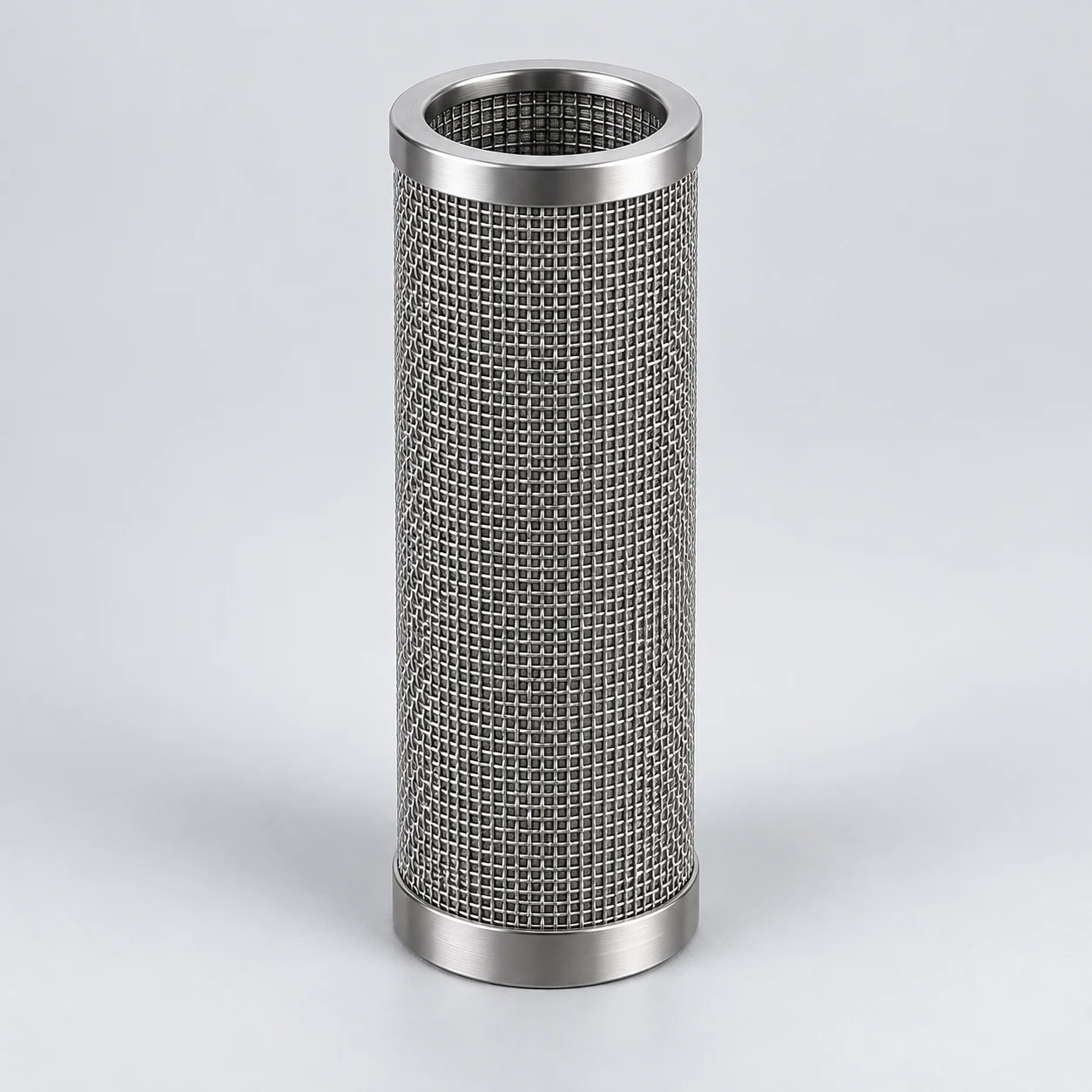
Layered woven mesh for surface filtration. Review the retention target, support structure and backwash direction for process liquids, catalyst retention and equipment protection.
- Woven layers
- Defined support
Start with your drawing, material requirements, dimensions and operating conditions. Review the medium, configuration and verification needs before a custom proposal is confirmed.
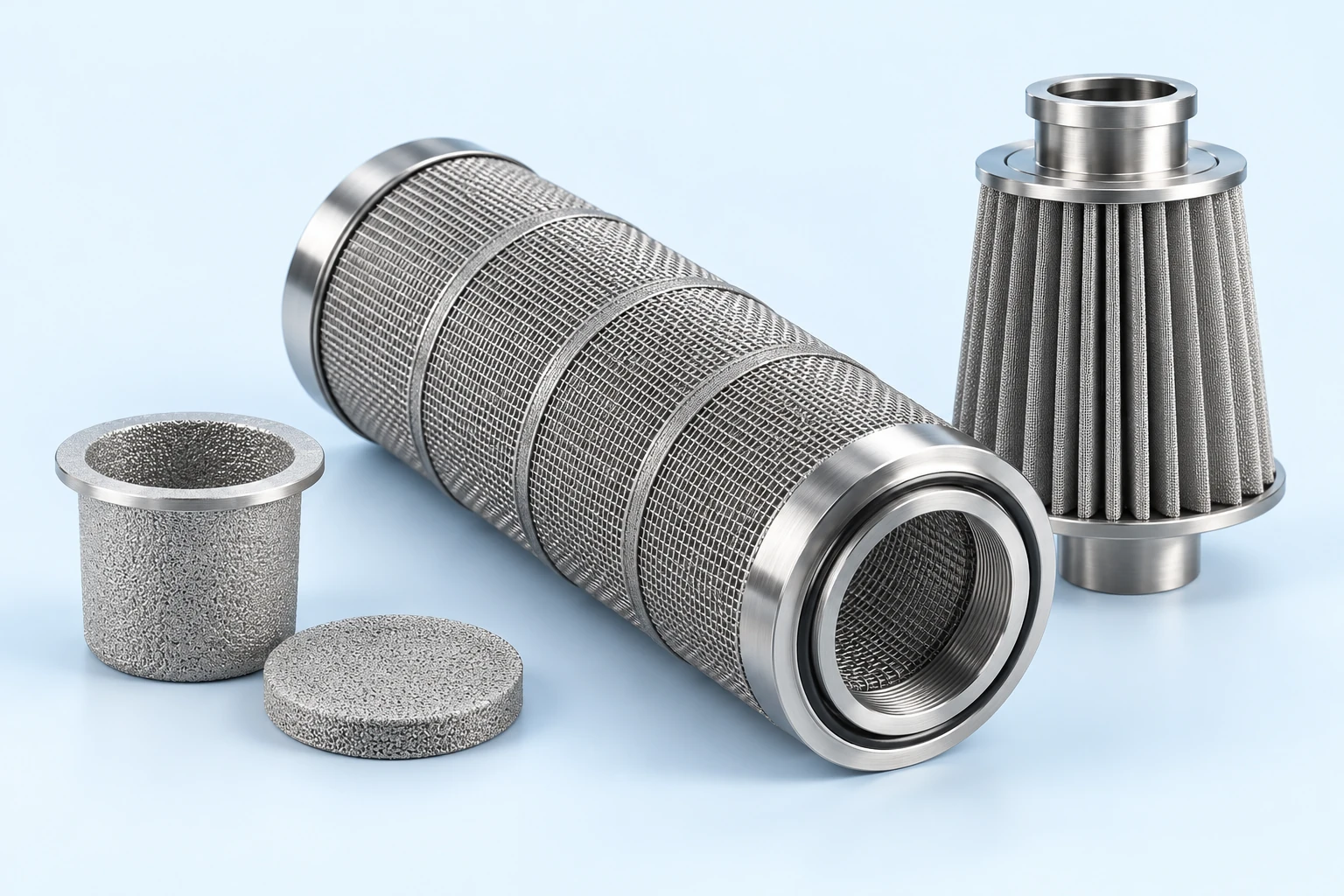
Explore equipment layouts, flow paths and selection questions across pharmaceutical, chemical, industrial, and oil & gas processes. Connect the filtration task with suitable media and technical guidance.
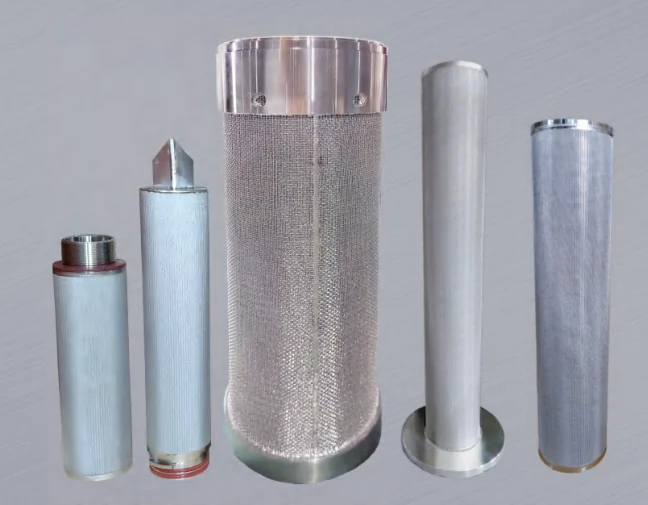
Compare mesh, porous powder and metal fiber media for new equipment or replacement elements. Bring the mounting dimensions, flow direction and cleaning conditions to the selection discussion.
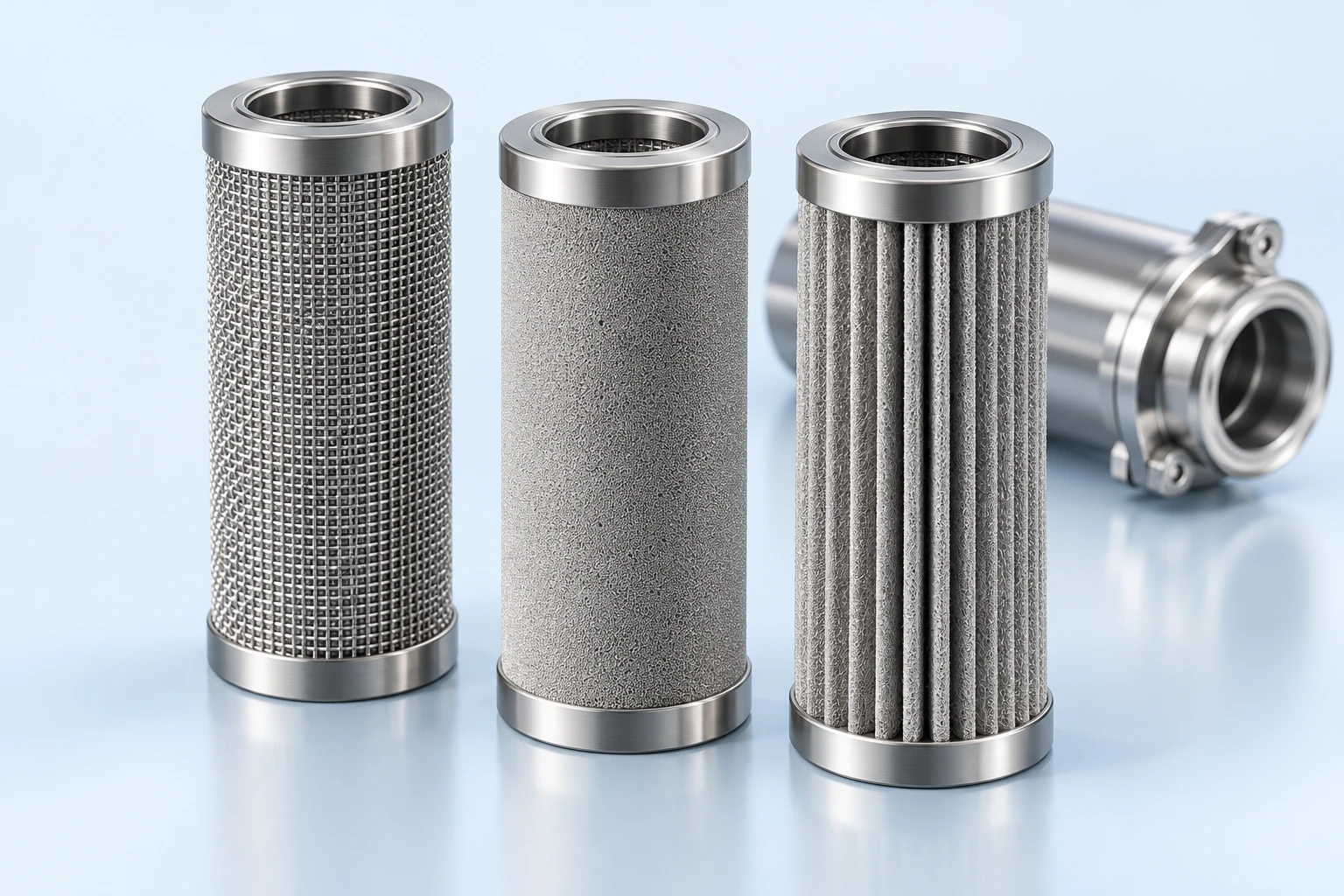
Get to know the filter medium, then define the complete element for your application.
Layered woven mesh for surface filtration. Review the retention target, support structure and backwash direction for process liquids, catalyst retention and equipment protection.
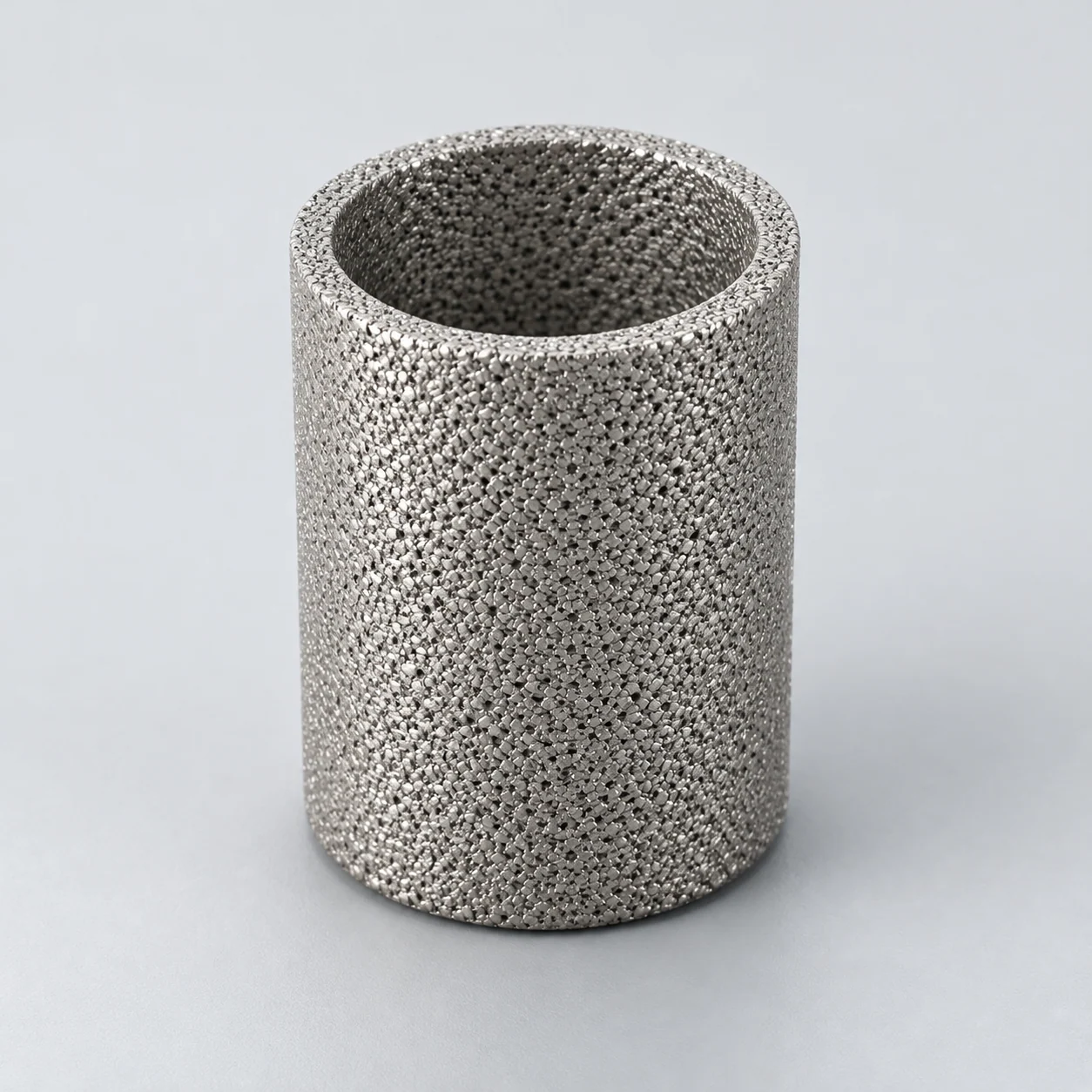
A rigid porous body for particle filtration and controlled flow distribution. Evaluate the pore structure, wall thickness and flow-pressure relationship as one specification.
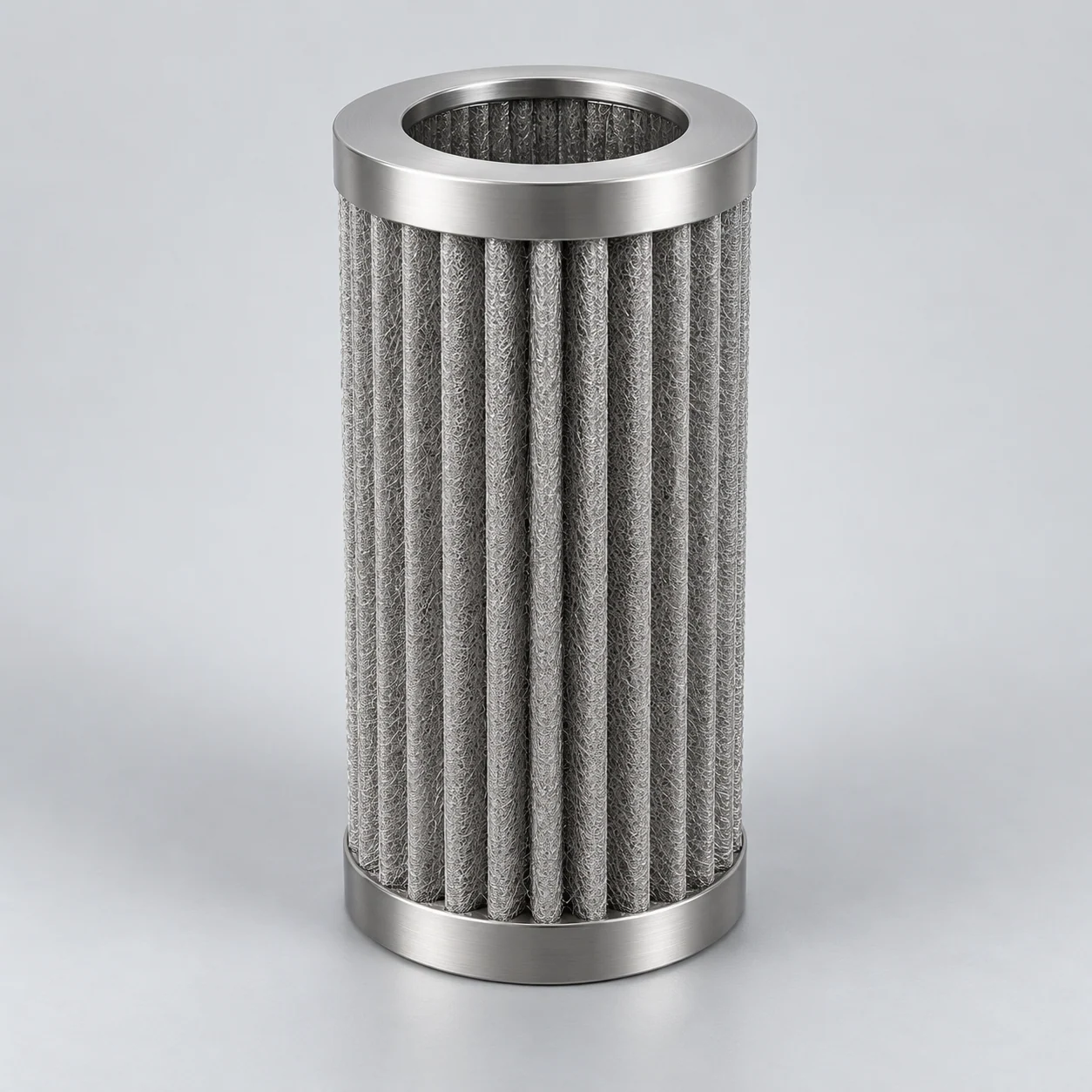
Nonwoven metal fibers in flat or pleated constructions. Review depth loading, surface-cake behavior and usable filtration area for the required operating cycle.
Find the questions that matter for your process.
The same metal structure can serve different roles. Intended use, fluid and operating conditions determine what needs to be verified.
What to include in your inquirySeparate process-liquid clarification, powder recovery and instrument components. Define contact conditions, cleanliness and the verification needed at each stage.
Review catalyst recovery, liquid clarification and polymer filtration by particle behavior, viscosity, corrosion exposure and the route for removing retained solids.
Protect nozzles, valves and process equipment. Connect the contamination target with peak flow, replacement geometry and a measurable maintenance endpoint.
Review solids in gas and hydrocarbon liquids separately from droplets. Specify gas-flow reference conditions, transient differential pressure and the complete material exposure.
An existing element, a new design or an early idea: start with the information you have. Define the material, geometry and verification needs before moving to a supply proposal.
Send your drawingHow custom inquiries workFluid, particle target, flow, dimensions and any existing drawing.
Review the medium, fittings and missing technical information.
Confirm specifications, samples or tests and commercial terms.
Material records, dimensional checks and filtration test information should match your agreed specification. Identify the documents your project needs before placing an order.
Practical reading for your next technical discussion.
Compare three metal media structures, identify the trade-offs that matter and prepare a shortlist for your actual filtration application.
Learn to read a micron claim, compare particle-removal data and write a testable requirement without confusing retention, pores and flow.
Use a short starting brief, a staged checklist and a fictional filled example to prepare a useful request without guessing missing data.
Tell us what you need to filter and where the element will be used. You can leave unknown technical details for the next discussion.
Your reference is:
Thank you. Your enquiry has been received.