General engineering guidance for technical review. Examples explain the method and do not establish specifications for a supplied product.
Define what cleaning must achieve
Write down why cleaning is required: removal of accumulated solids, recovery of acceptable flow, control of process carryover or preparation for another production step. These objectives may need different acceptance checks. Agree what evidence will allow an element to return to service and who will make that decision.
Keep cleaning, sanitisation and sterilization as separate requirements in the specification. A maintenance procedure should not be treated as proof of a sterile process or suitability for a medical application.
Review every exposed component
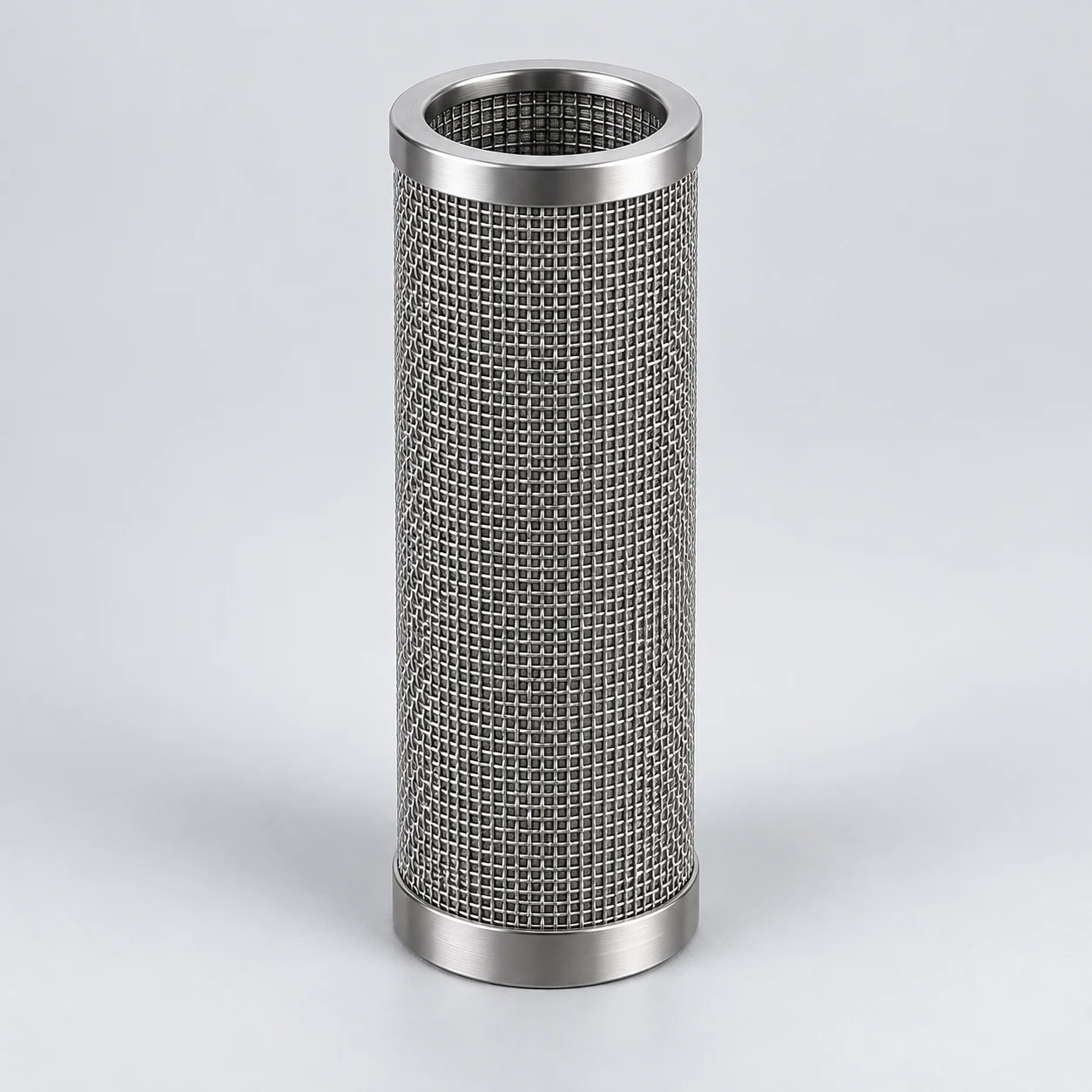
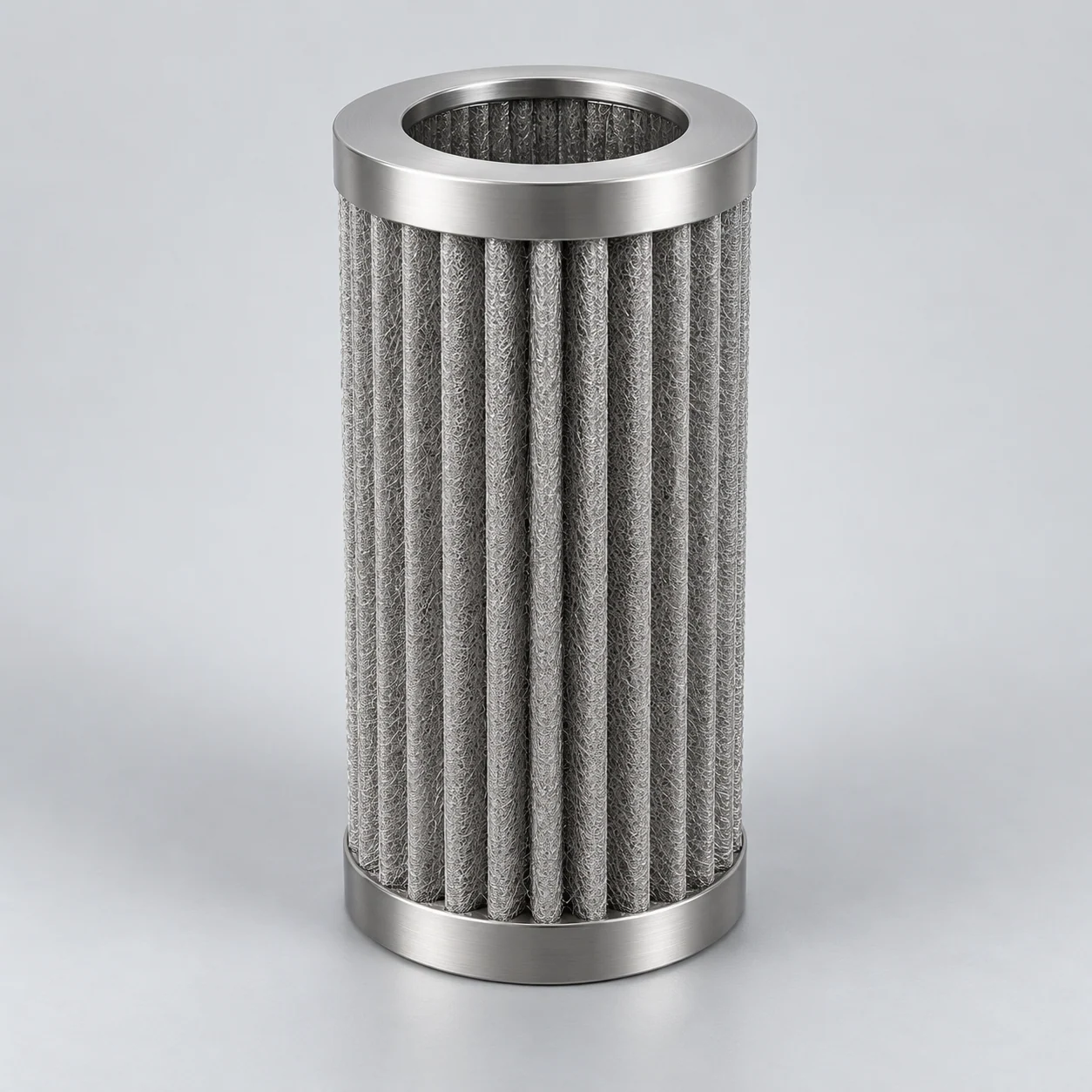
List the filter medium, supports, end fittings, joints and seals. Request confirmation of the materials and construction relevant to the proposed cleaning cycle. Avoid approving the whole assembly using only the alloy name of its filtering layer.
Corrosion data from controlled laboratory solutions may not represent actual service with impurities. Use compatibility tables to organize questions, then review the real process and cleaning exposure. Where uncertainty remains, agree a project-specific assessment covering the complete element rather than only the base alloy.
Cleaning sintered metal filters: specify the complete cycle
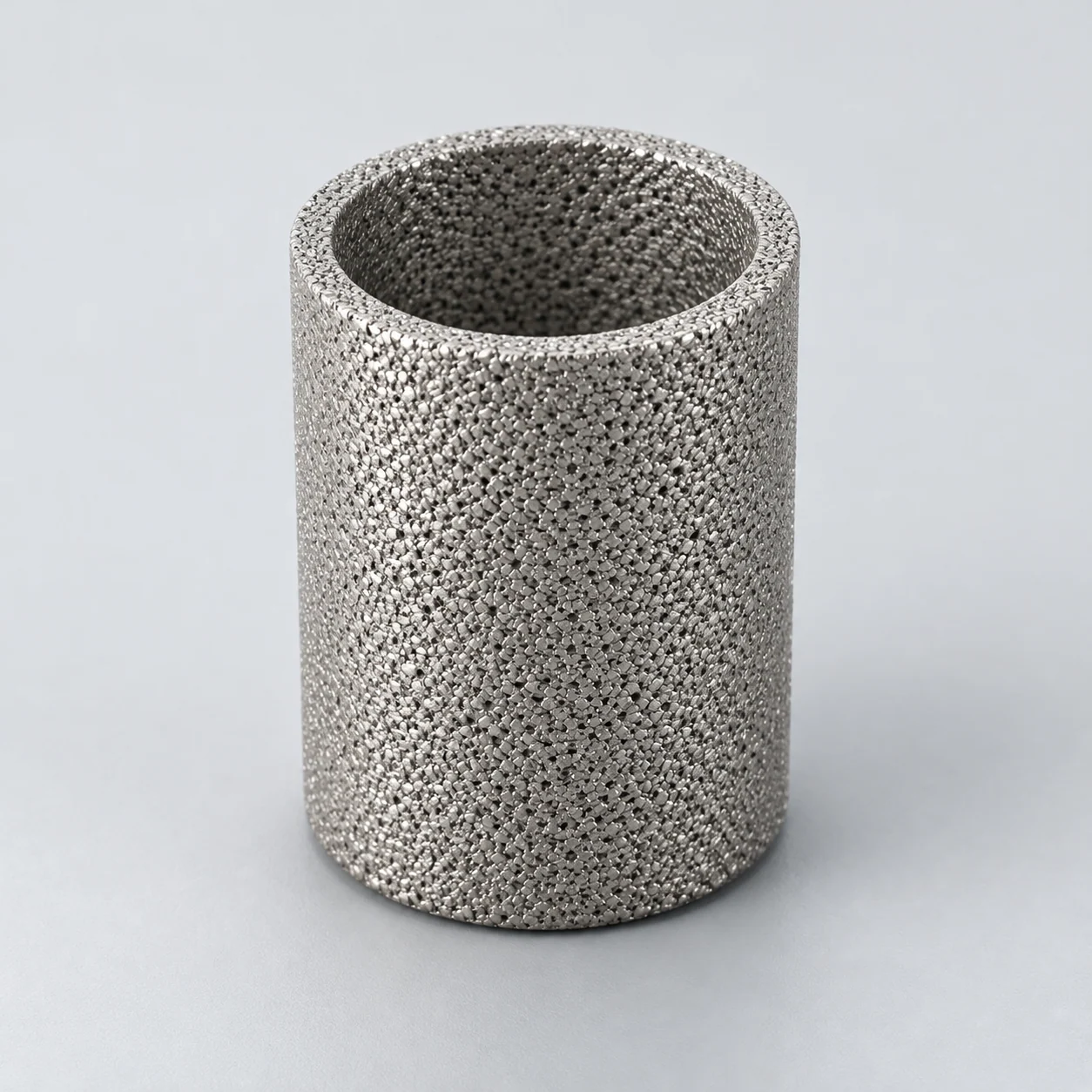
Choose in-place or removed-element cleaning according to the actual deposits, construction and handling limits. Abrasive treatment can damage the surface or obstruct a porous structure. Obtain instructions for the proposed element, including reagent concentration, temperature, exposure time, rinsing and acceptance checks, rather than adopting a generic metal-filter recipe.
- Identify the contaminant and the proposed cleaning agent.
- Define concentration, temperature, contact time and the rinse endpoint.
- Confirm permitted flow direction, allowable reverse differential pressure and pulse conditions.
- Agree handling, inspection and return-to-service requirements.
Agree checks before the first cycle
Record an accepted initial condition for the element using the checks relevant to your process. The record might include identity, visible condition and a defined flow or pressure-drop measurement. State the measurement conditions so that later readings can be compared meaningfully.
Agree what requires further investigation: visible damage, a changed measurement, incomplete contaminant removal or an undocumented cleaning deviation. A favourable flow reading should be interpreted within the agreed verification plan, rather than used on its own to approve every aspect of performance.
Keep a maintenance record and a replacement decision
Assign an element identifier and retain the cleaning date, procedure revision, operating history and inspection outcome. Record any departure from the approved cycle. Decide in advance which findings require replacement, additional assessment or a revised cleaning approach.
For a new application, discuss a controlled evaluation before relying on repeated cleaning in the purchasing calculation. Ask how the expected contaminant will be represented, what will be measured and what result will close the review. The objective is an agreed maintenance plan with usable evidence, not an assumed number of cleaning cycles.