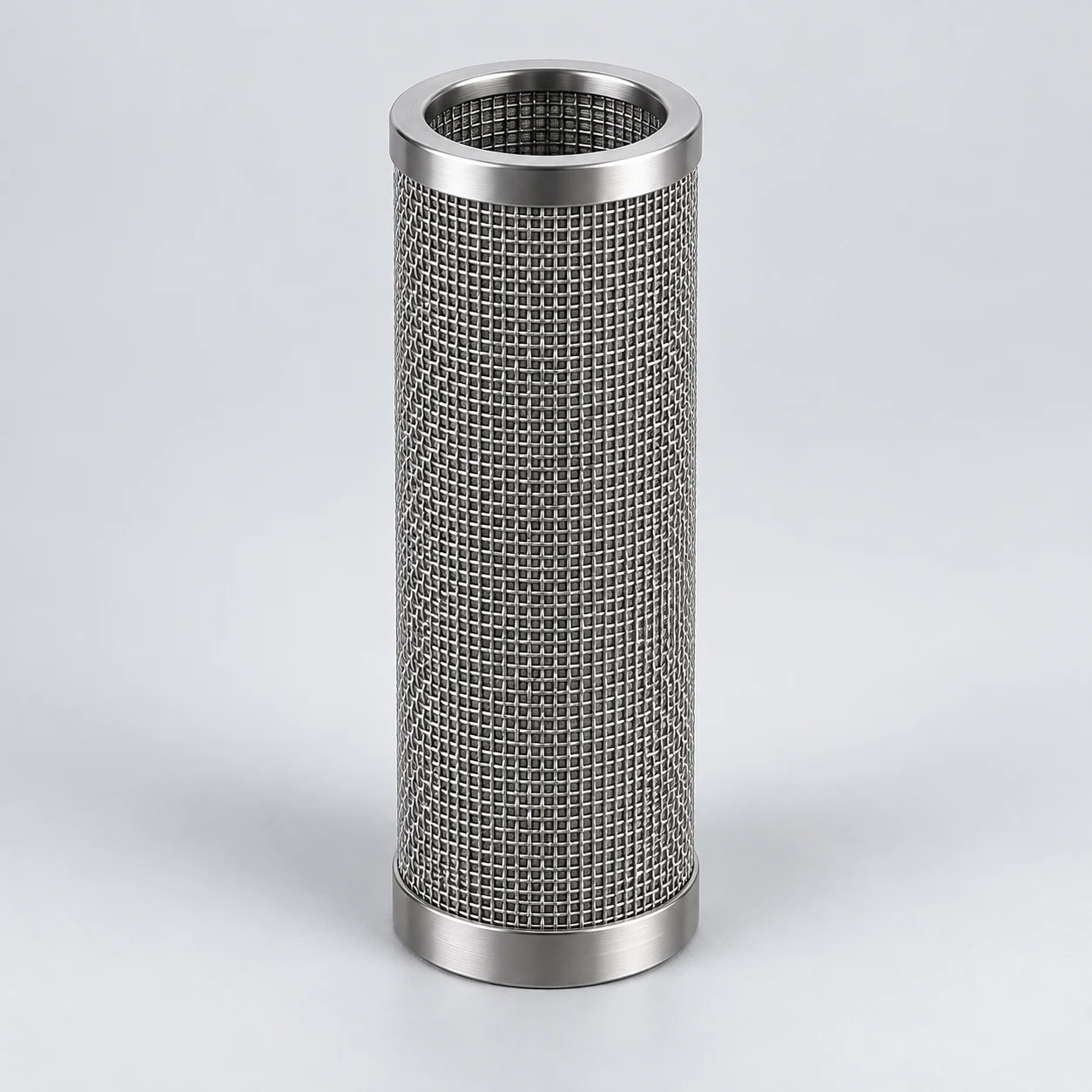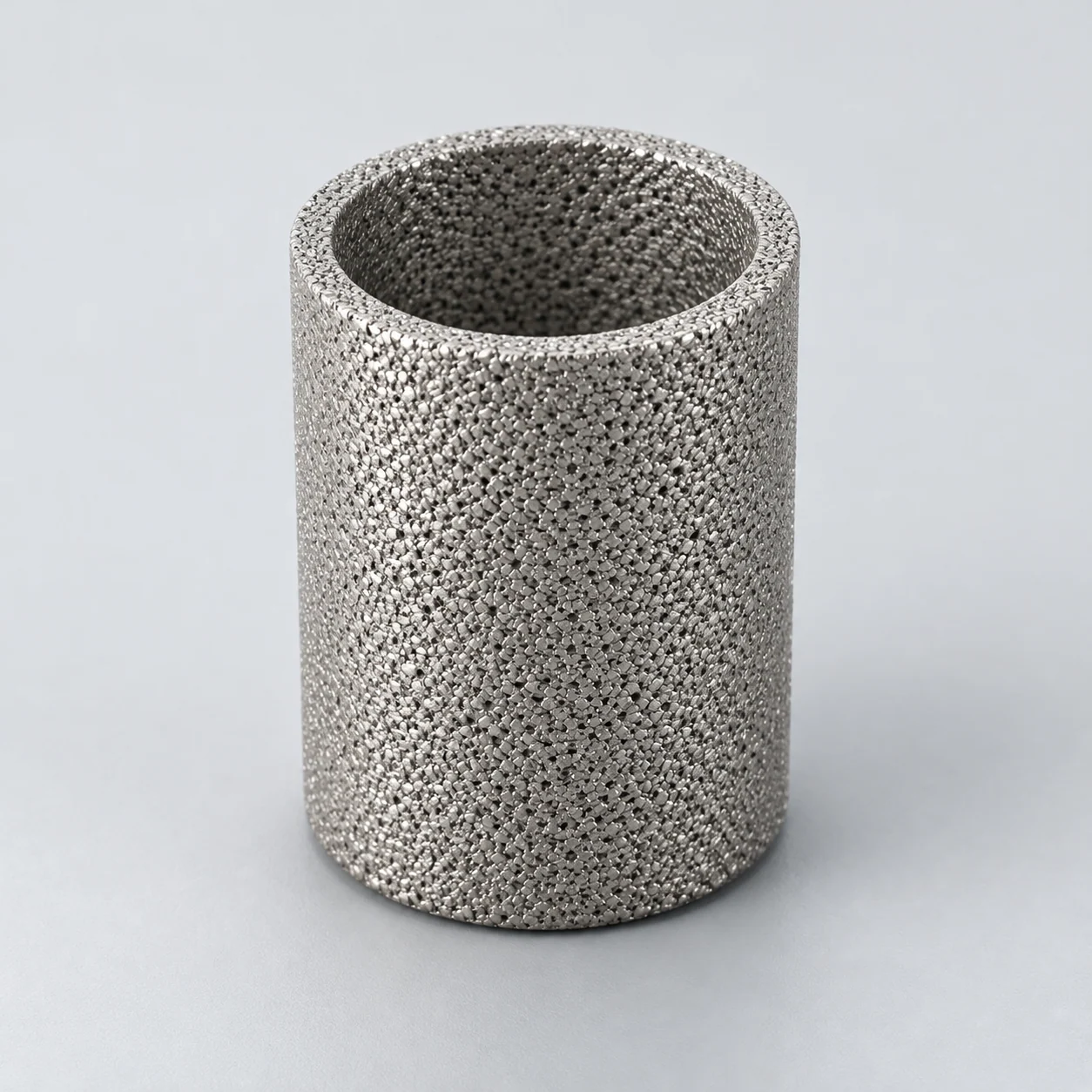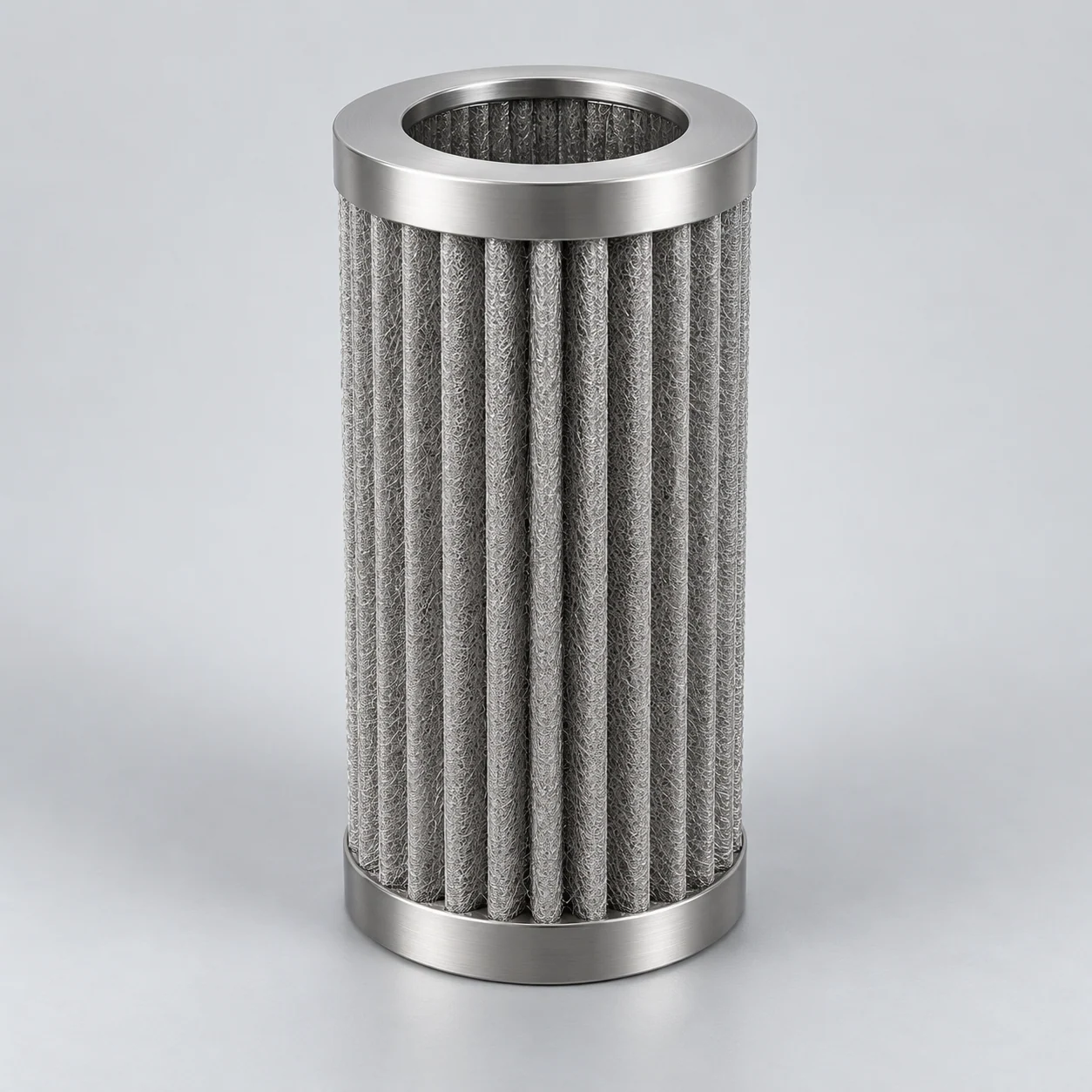
General engineering guidance for technical review. Examples explain the method and do not establish specifications for a supplied product.
1. Separate mass flow from actual volume flow
Mass flow expresses the amount of gas passing per unit time, for example in kg/h. Actual volumetric flow describes the space occupied by that gas per unit time at a stated pressure and temperature. Reference volumetric flow expresses the equivalent volume at agreed reference conditions. Compressing a gas changes its volume; it does not, by itself, create more mass.
Different conventions exist for normal and standard gas volume. State the reference temperature and absolute pressure, with the compressibility basis where relevant. A value such as “100 Nm³/h” needs this definition. Retain the instrument or process-data basis so that the gas-system designer, filter reviewer and controls engineer use the same quantity.
2. State absolute pressure and absolute temperature
For gas-volume conversion, pressure must use an absolute basis and temperature must use kelvin. A gauge pressure and an absolute pressure cannot be exchanged without accounting for the local reference. Label operating, minimum and maximum pressures with the basis, and identify whether they apply at the filter inlet or another location in the system.
The sizing question also needs an allowed differential pressure across the filter assembly. That value is separate from system pressure and from the structural limits of the element. A compressed-gas filter operating downstream of a regulator may encounter a different pressure and flow envelope from the compressor outlet, even when the process reports one shared reference flow.
3. Use a transparent conversion example
For the same gas composition and mass flow, Qa = Qr × (pr/pa) × (Ta/Tr) × (Za/Zr). Subscripts a and r denote actual and reference conditions; Z is the compressibility factor. The relationship follows from the real-gas equation. All pressures are absolute, and temperatures are in kelvin.
Example calculation, not a filter capacity: take 100 m³/h referenced to 1.01325 bar absolute and 273.15 K, with actual conditions of 6 bar absolute and 313.15 K. Assuming Za/Zr = 1 gives about 19.36 actual m³/h. The example only converts flow basis. It does not establish pressure drop, retention, element area or suitability for a gas mixture.
4. Review the range rather than one point
At a fixed reference flow, lower actual pressure can produce higher actual volume flow. A candidate that fits the nominal point therefore still needs review at the relevant low-pressure and peak-demand condition. Include startup, blowdown and reverse-flow possibilities if they are part of the process, and identify which events the element must tolerate.
Use gas composition and conditions to obtain the needed density, viscosity and compressibility data. Gas mixtures and departures from ideal behavior affect conversion; do not assume Z = 1 for every gas or pressure. When the gas approaches condensation or the pressure loss is significant, request an assessment appropriate to that application rather than extending an ideal-gas shortcut beyond its applicable conditions.
5. Distinguish particles, droplets and vapor
Define what must be removed: dry particles, liquid droplets or a gaseous contaminant. Water and oil can be present in different phases, each requiring an appropriate separation mechanism. A porous metal particulate element is not automatically a coalescer, a dryer or a vapor adsorber. A material name and micron rating do not define a complete gas-treatment train.
For particles, state the size information, loading and required downstream result. For possible liquid carryover, describe composition, expected quantity and drainage needs. Record whether cooling can change the phase before or inside the filter. This information determines which performance evidence is relevant and whether other separation stages should be evaluated with the process designer.
Gas filter sizing: prepare the flow and pressure inputs
Submit gas composition, reference flow definition, minimum/normal/maximum demand, inlet pressure and temperature ranges, the permitted pressure loss and contaminant information. Add the housing and connection drawing, flow direction and any cleaning proposal. Keep actual flow, reference flow, gas properties and operating parameters in separate fields so the review starts from a clear and consistent flow basis.
Request the basis of the proposed curve and whether it covers the complete assembly. Record which operating points remain unverified and how they will be checked. Gas-volume conversion is one part of sizing; it does not approve hazardous-gas service, oxygen cleanliness, explosion protection or medical use. Applicable requirements must be identified and assessed for the actual installation.