Sintered filter cartridges and elements: compare three media

Compare sintered wire mesh, metal powder and metal fiber. Review the structure, possible forms and the details needed for your process.

Compare the media. Define the element

Choose the porous structure first: sintered woven mesh, sintered powder or metal-fiber felt. Specify the alloy and the finished form separately, then compare the complete element for your process.

Scroll the table sideways to compare all three structures.

Metal filter media comparison
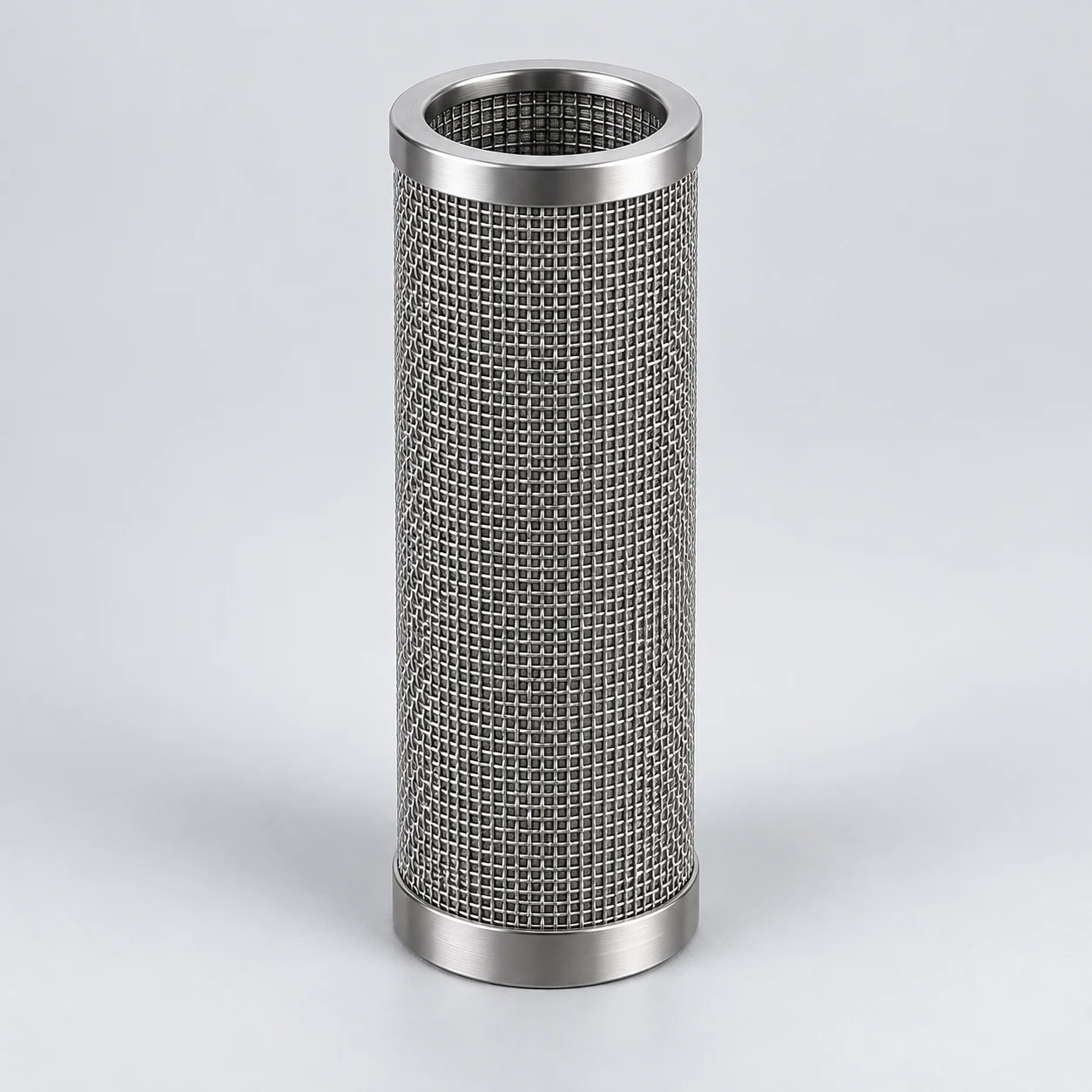
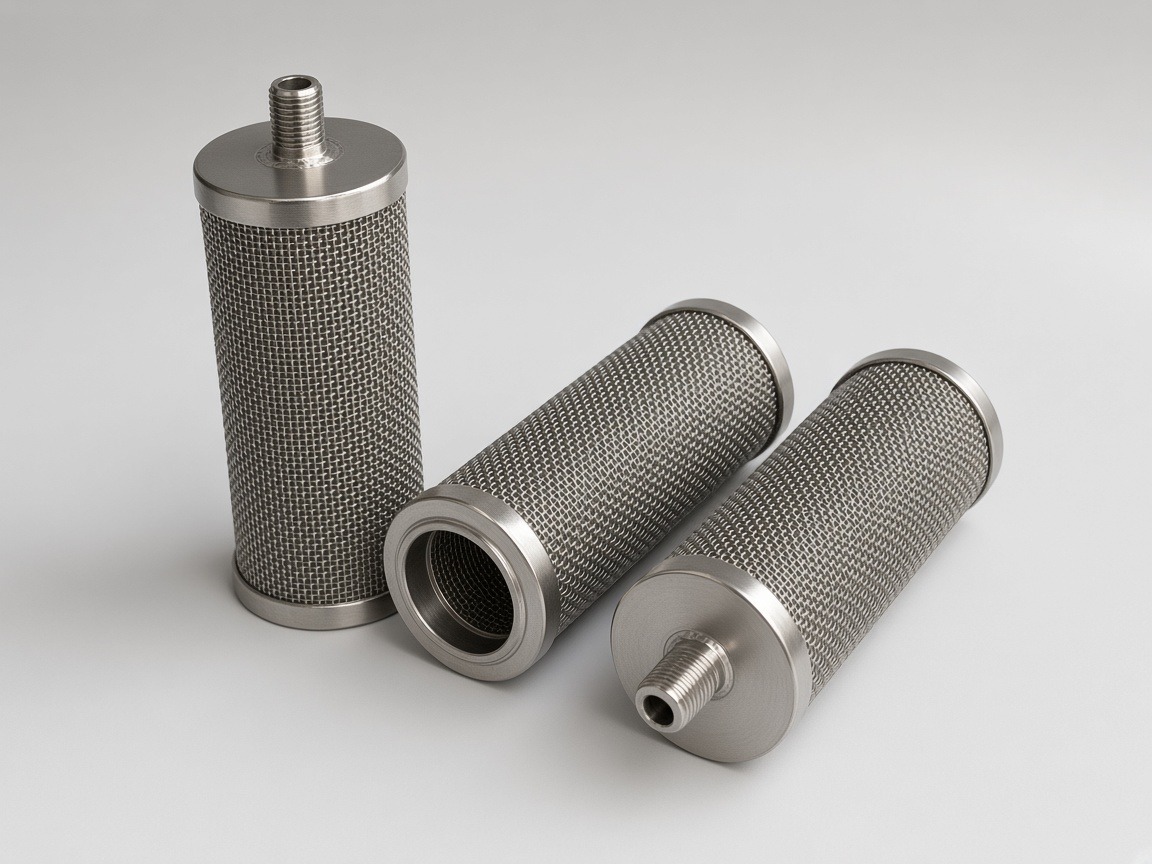
One application. Three starting points. Cylindrical sintered wire mesh filter elementSintered wire mesh filter elements

YS-SM5: nominal grades 1–100 µm; multilayer mesh constructions are specified separately.

Reference values only; final specifications are confirmed for each custom order.

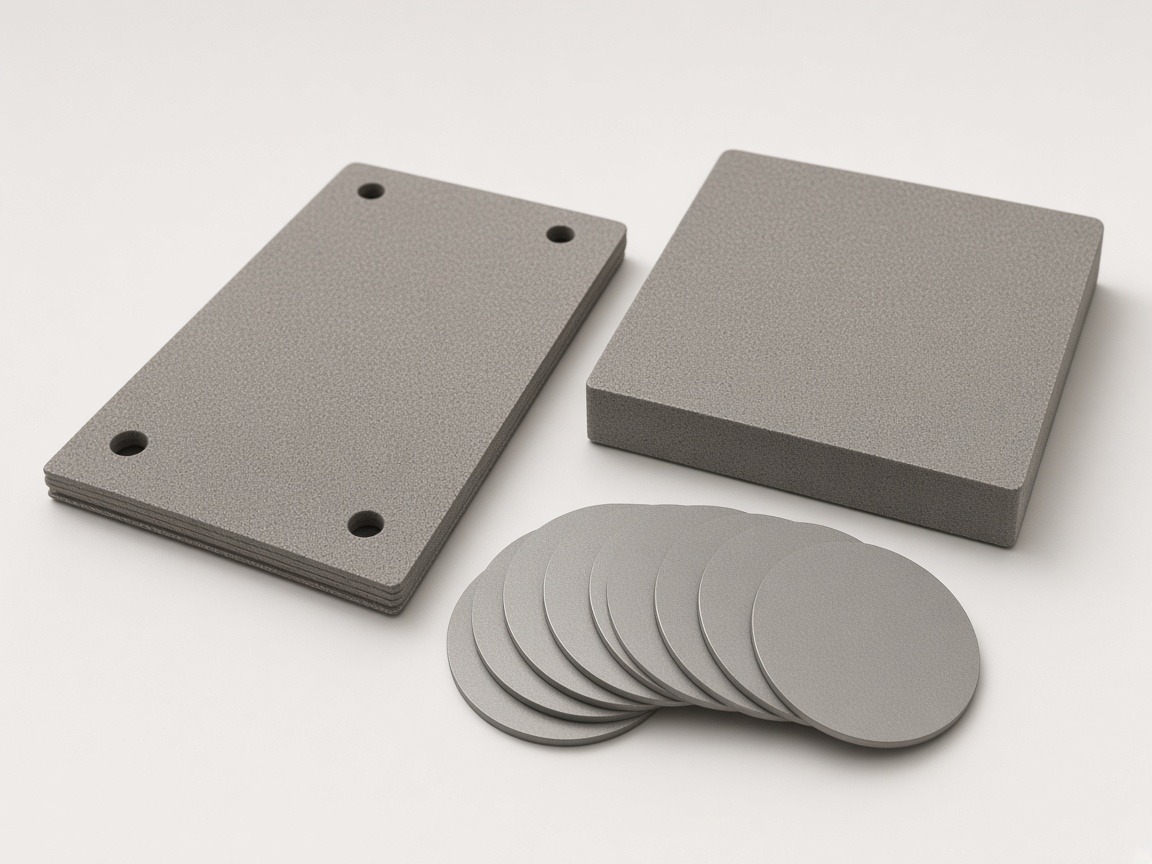
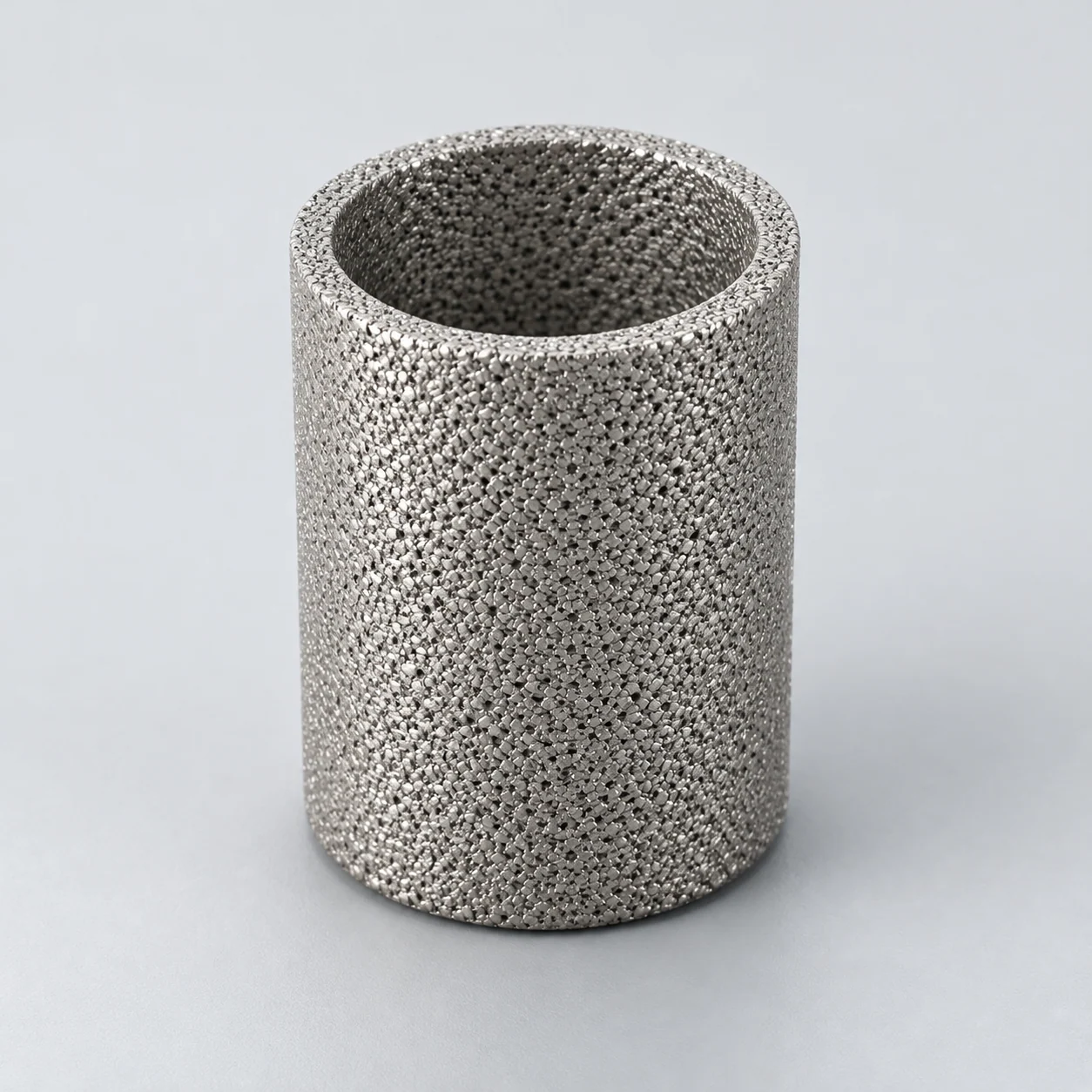
Porous sintered metal powder filter elementSintered metal powder filter elements

YS-SP: reference ratings 1–65 µm at 98 % efficiency; other materials and shapes are listed separately.

Reference values only; final specifications are confirmed for each custom order.

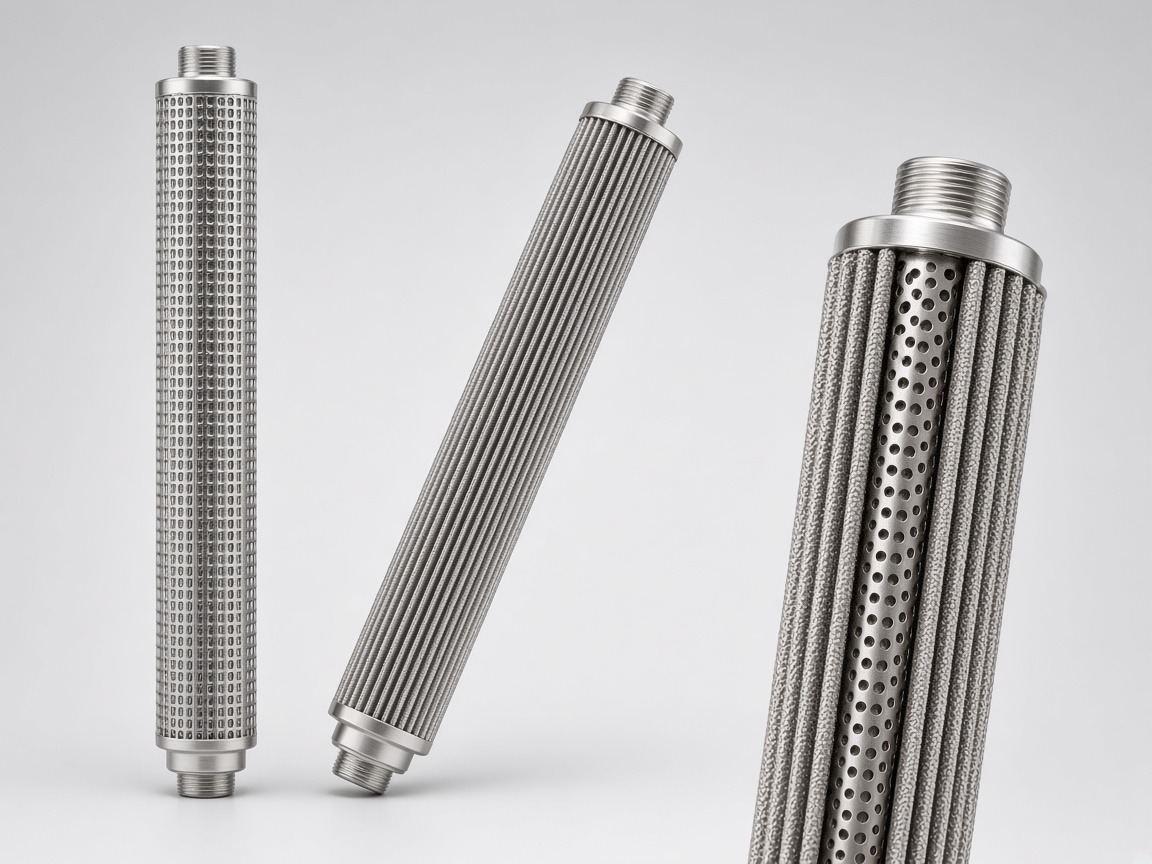
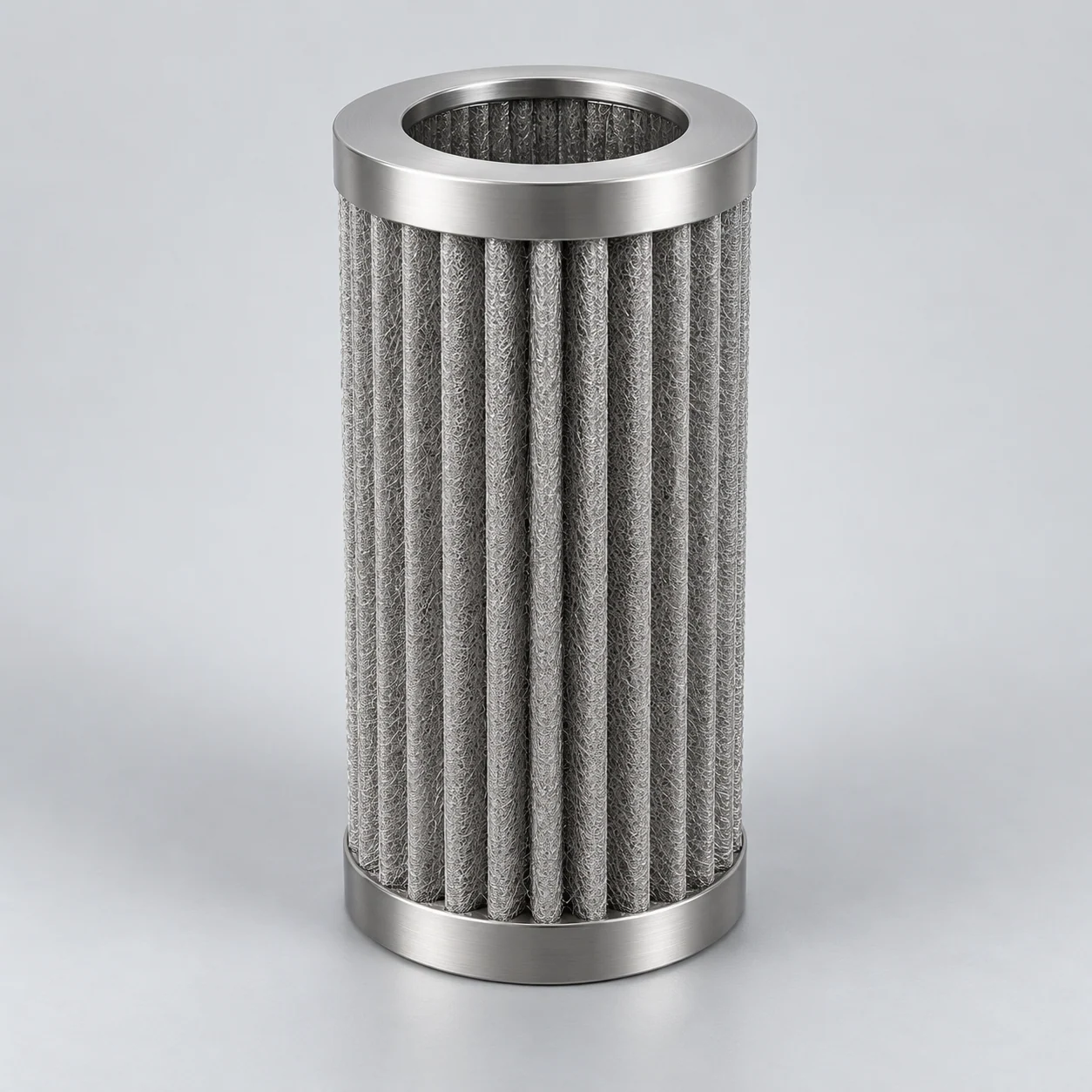
Pleated sintered metal fiber filter elementSintered metal fiber filter elements

YS-MF: reference filtration grades 3–100 µm; felt construction and finished-element geometry are specified separately.

Reference values only; final specifications are confirmed for each custom order.

Media structure Woven wire layers bonded into a supported metal medium. Bonded metal particles form an interconnected porous body. A bonded metal-fiber network, with support defined for the element.
Forms to discuss
  • Cylindrical element
  • Disc
  • Flat panel
  • Tube
  • Cup
  • Disc
  • Pleated cylinder
  • Cylindrical element
  • Flat media section
Inquiry starting points
  • Process liquid filtration
  • Gas particle filtration
  • Particle filtration
  • Drawing-defined porous parts
  • Process fluid filtration
  • Particle-control inquiries
Selection focus Define the filtering layer, support arrangement and flow direction. Review wall thickness, active area and flow under defined conditions. Review media structure, usable area, pleat support and the assembly.
Confirm before selection Layer count alone does not define retention or assembly strength. Keep pore-related measurements separate from particle-removal performance. Pleats alone do not establish dirt capacity, pressure drop or service life.
Next step

Have a drawing, but no media choice?

Share the installation and the result you need. Leave unknown details open for review.

Start a technical inquiry

Product configurations and typical specifications

Polymer melt filter discs and candles
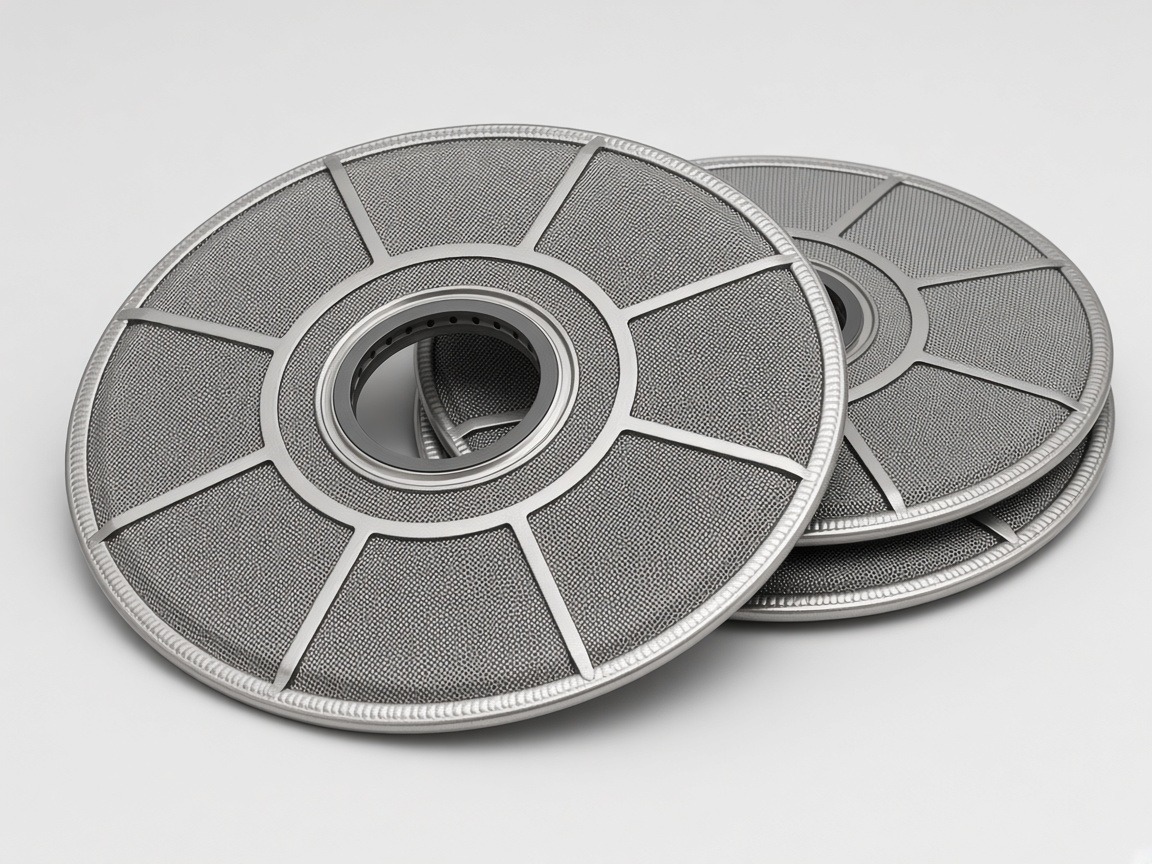
Polymer melt filters combine a porous medium with the supporting structure and connections required by the housing. Leaf discs use a central hub and radial flow passages, while candles combine a connection, inner core, filtering layer, outer guard and locating end cap. Metal fiber felt, multilayer mesh and sintered powder are different media options; their grades and cleaning behavior are not interchangeable. Compare the reference tables with melt viscosity, temperature, contamination and the full pressure cycle. Disc size or a medium grade alone does not establish throughput. Confirm the complete assembly and the agreed acceptance checks against the housing drawing.

View typical specifications
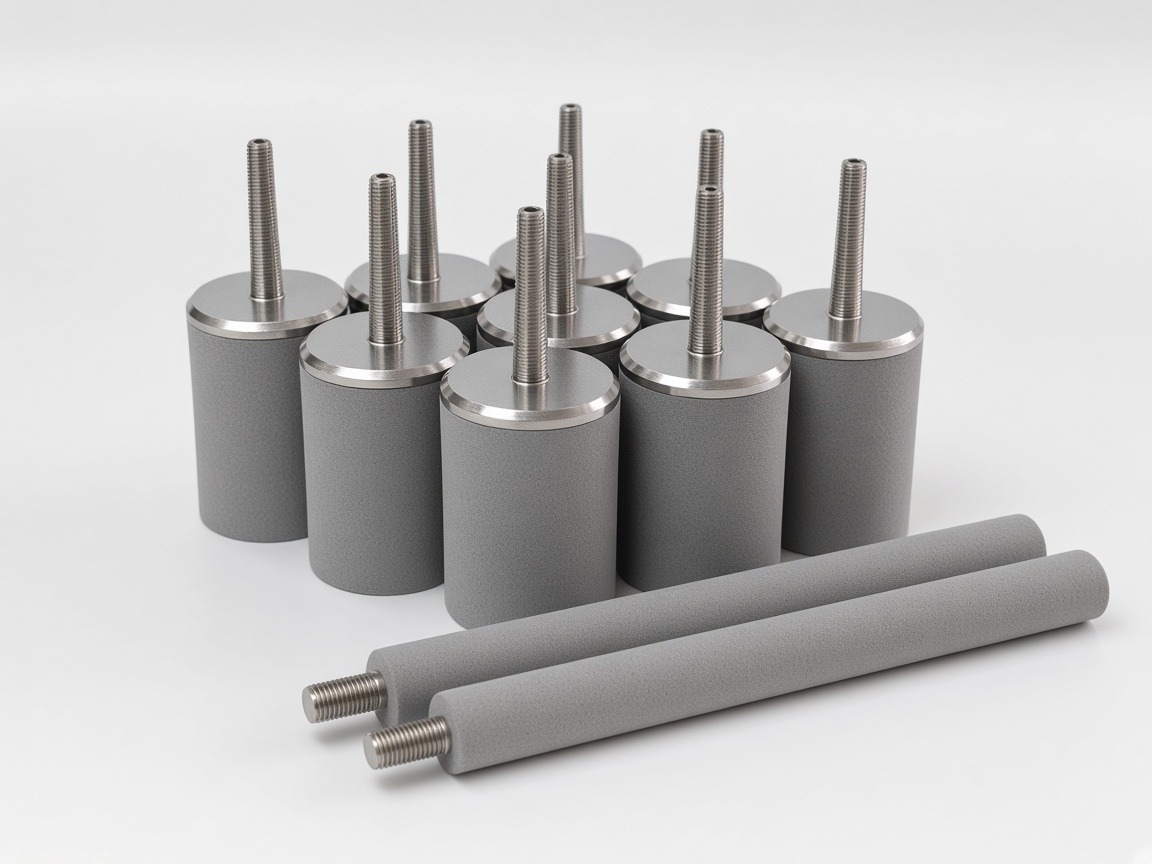
Sintered titanium filter elements

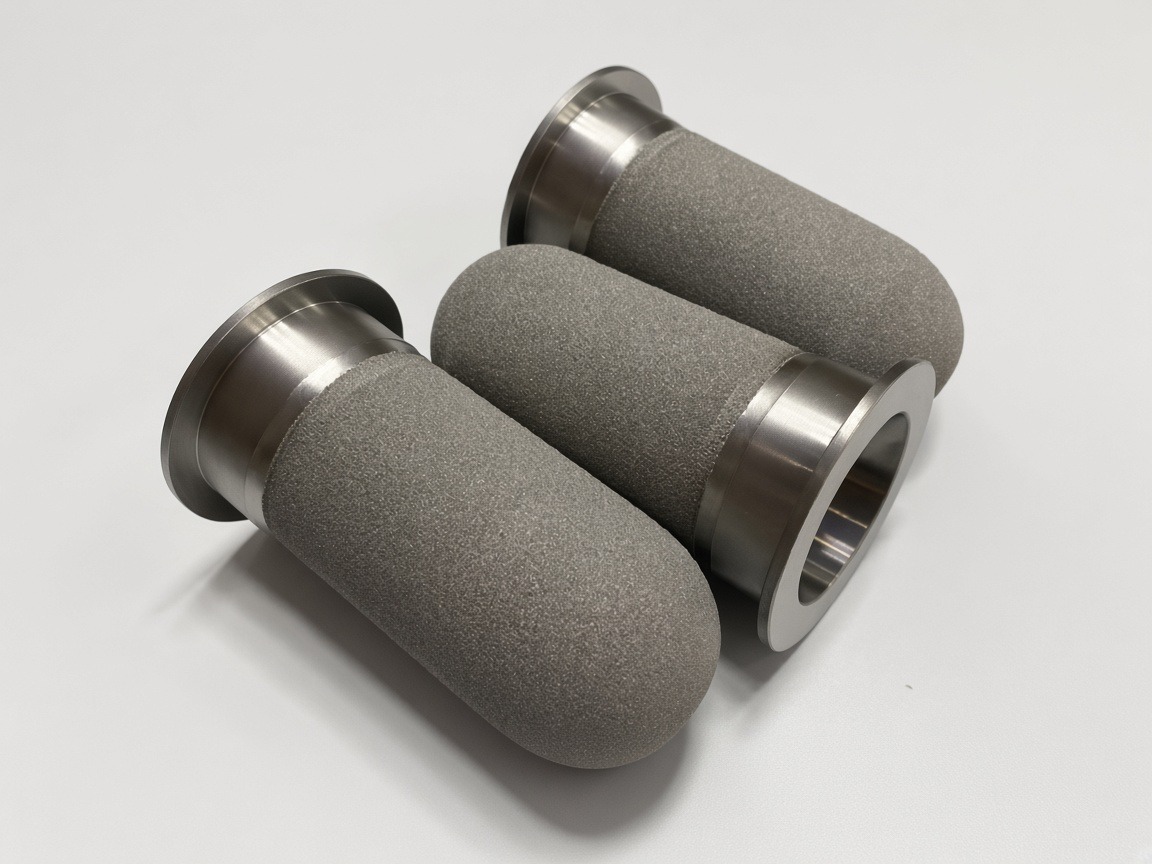
Titanium porous elements can use sintered powder or a bonded metal-fiber structure, with different pore networks, support requirements and mechanical behavior. This page keeps powder filtration grades separate from tube dimensions, fiber-felt construction and plate geometry. Select the required function first: particle retention, flow distribution or another defined process task. Then compare fluid composition, cleaning chemistry, temperature, flow and the available pressure budget. The reference tables describe material and construction options; they do not establish sterilizing performance or compatibility with every liquid. Confirm the material specification, end fittings, acceptance method and complete assembly for the intended installation.

View typical specifications

Sintered mesh discs for filter-dryers

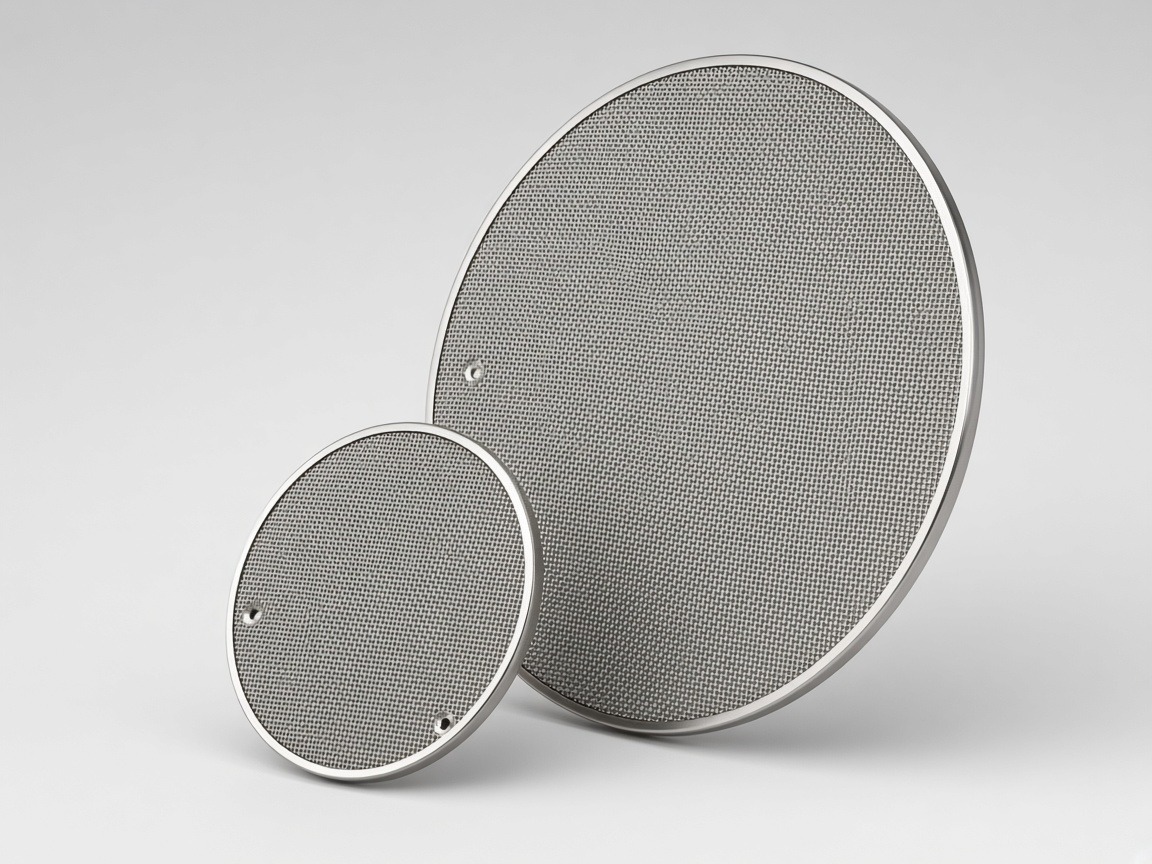
A filter-dryer disc combines the filtering mesh laminate with a welded ring or frame and the supporting arrangement inside the vessel. Liquid passes through the disc while the retained solids form a cake; the complete process may include washing and drying stages defined by the equipment. The disc diameter, thickness and sealing face must match the vessel drawing. Mesh-layer selection, drainage support and cleaning access should be reviewed separately from the filtration grade. The reference tables provide a starting point for discussion, while the final pressure cycle, assembly limits and inspection requirements are confirmed for the actual filter-dryer.

View typical specifications

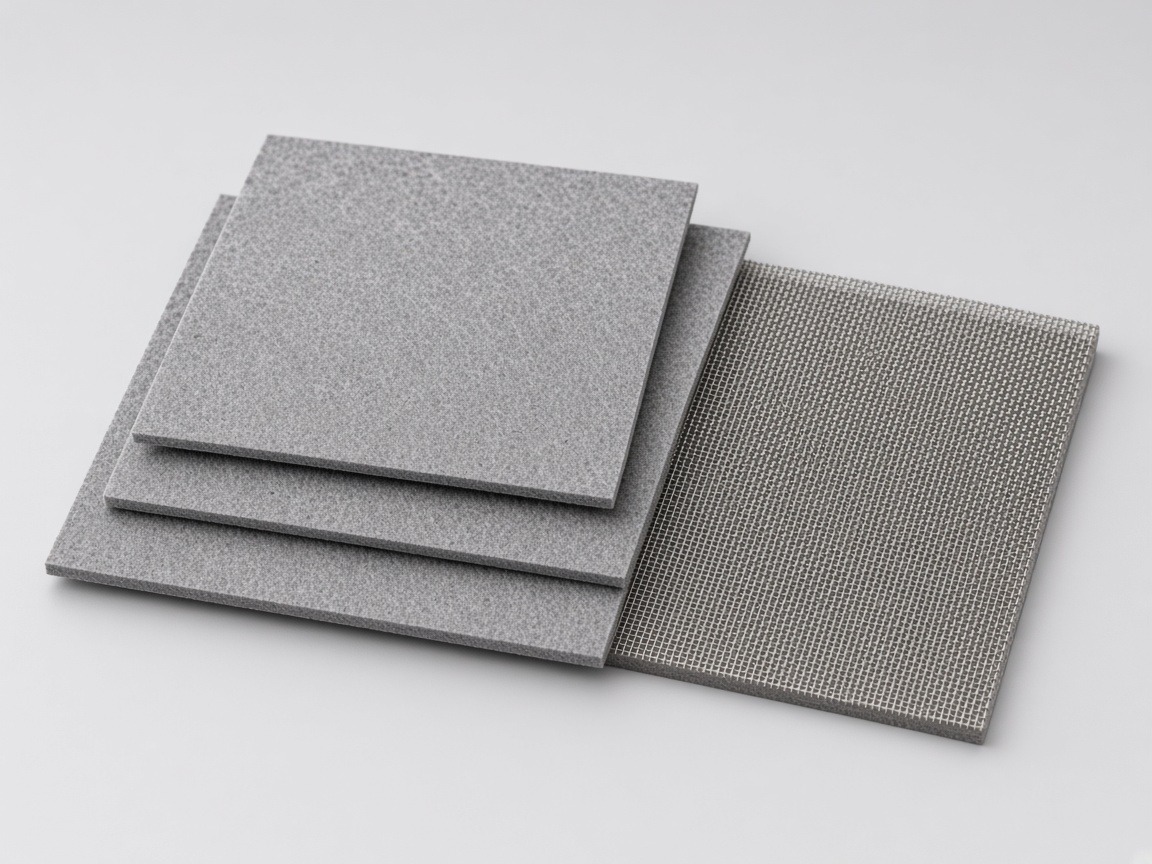
Sintered porous metal plates and discs

Sintered porous plates and discs distribute flow across a defined surface and can also retain particles when the selected pore structure and acceptance method suit the process. The shape, thickness, free span, edge fixing and support grid determine the mechanical design and usable filtering area. Material selection should account for the fluid, cleaning chemicals and temperature cycle. The plate table separates these geometry questions from reference powder-media grades. External-pressure tests on tubular elements in the media table do not establish an allowable pressure difference for a plate. Confirm the supported assembly, required flow uniformity and inspection method against the equipment drawing.

View typical specifications